Roof Repair
Roof Repair
in Puget Sound & Seattle, WA
Chet’s Roofing & Construction Inc. is one of the few companies in the Puget Sound & Seattle, WA area that actually does roof repairs, not just roof replacements.
We know how financially straining a full roof replacement can be, that’s why we don’t shy away from Seattle roof repairs unless we deem your roof unsalvageable.
If your Seattle roof is damaged and leaking, call us today to schedule an appointment with one of our skilled roofing contractors.
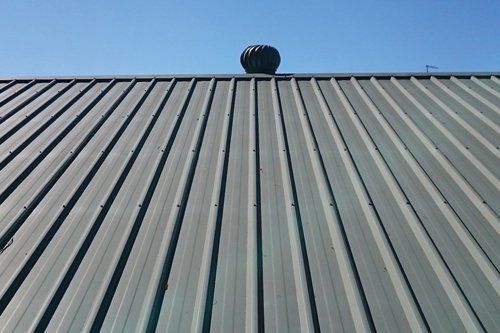
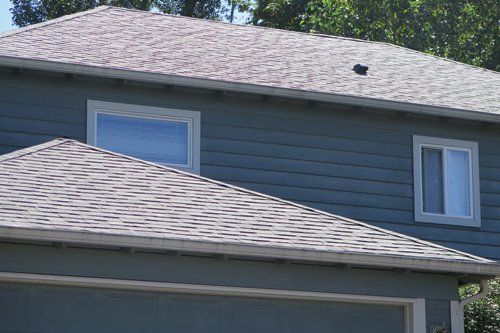
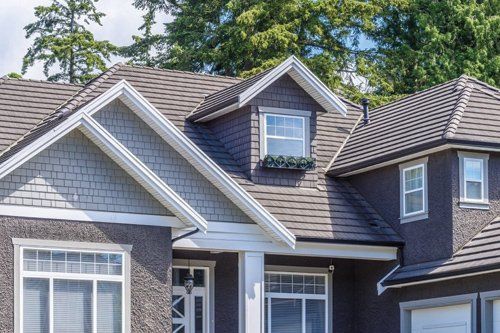
We perform roof repairs on different types of roofing materials in Seattle, including:
Common Causes of Seattle Roof Damage
A roof is maybe the most vital aspect of any home. It physically protects you, your family and personal property from the outside elements. A failing roof does more than just compromise your comfort. It can lead to expensive damage elsewhere in your home, like mold, water damage and personal property damage.
Unfortunately, many Seattle homeowners don’t think about their roof until there’s a problem. There are several potential roof damage causes, including wind, ice dams, hail and inescapable aging. The abundance of rain in Seattle and the PNW areas mean faulty roofs inevitably leak and cause water damage in attics, ceilings and the walls of your home causing roof repair needs.
Common causes of roof damage & roof repairs in Seattle include:
Heavy Seattle rain:
Rain can damage your roofing over time and worsen existing damage.
Excessive wind:
Heavy wind can tear, rip off or loosen your roof’s shingles, which will likely cause a leak.
Debris:
If your home is surrounded by trees, the foliage and broken branches can create a buildup of debris which, over time, can damage the shingles.
Clogged gutters:
Gutters that haven’t been cleaned out and are filled with debris can cause water to dam up and soak into the roof.
Moss:
Moss is often overlooked, but its steady growth can result in holes and leaks in your roof.
Critters:
The presence of moss can attract insects and rodents to your roof. These pests tend to look for shelter under the roof’s shingles and fascia boards.
Inevitable wear and tear: If your roof is nearing the end of its lifespan (usually between 20 and 30 years), it may be damaged by the decades and need a full replacement.
Can You Help With Roof Repair Insurance Claims?
Yes – we can help document your roof damage and help you justify a wind damage, hail damage or storm damage roof claim. Claims adjusters are not roofers, and we might spot something they miss or help you explain why getting roof repairs or a roof replacement is necessary to protect your home and prevent more expensive home damage in the future.
What Are the Roof Repair Dangers of a Leaky Roof?
Even the smallest leak may cause damage and lead to roof repairs or safety and health hazards, including:
Compromised structural integrity: Water-damaged roof shingles and framing can end up damaging your attic, ceiling and walls.
Fire hazard: A leaking roof can cause damage to electrical systems and pose a serious fire risk. If you suspect an electrical short circuit due to water damage, turn off electricity and call an electrician for help.
Mold and mildew: A leaking roof can cause mold and mildew to spread inside your home. Mold and mildew can cause serious health problems, including allergies and asthma. Mold remediation can be extremely expensive and may not always be covered by insurance Preventing it with roof repairs or replacement is always preferable.
Higher utility bills: Water intrusion can damage your home’s insulation, resulting in reduced efficiency and higher utility bills. A drafty roof and attic may also lead to the loss of heated air during the winter.
If your roof has a leak, don’t put off repairs. Chronic water intrusion may pose significant safety and health hazards and can become increasingly expensive to repair the longer they persist.
Seattle, give us a call at
(877) 327-2064
for roof repairs and assistance.
Roof Repair vs Replacement: How Seattle Homeowners Can Make the Right Decision
One of the most common questions homeowners ask after discovering roofing problems is whether the roof can simply be repaired or if a full replacement is the better long-term solution. The answer depends on several factors, including the age of the roof, the extent of the damage, moisture exposure, leak history and the overall condition of the roofing system.
In Seattle, this decision can become even more important because Puget Sound weather places constant stress on roofs throughout the year. Heavy rain, moss growth, prolonged moisture exposure and seasonal storms can cause roofing issues to worsen faster than many homeowners expect.
While repairs are often the right solution for isolated problems, there are situations where replacement becomes the safer and more cost-effective option.
When Roof Repairs Are Usually Adequate
Roof repairs are often the most practical solution when damage is limited to a specific area and the overall roofing system remains in good condition. If the roof is relatively newer and the problem is isolated, targeted repairs may successfully extend the roof’s lifespan without requiring full replacement.
Repairs are commonly appropriate for:
- Small localized leaks
- Minor flashing damage
- Limited wind damage
- A few missing shingles
- Small punctures or exposed fasteners
- Isolated storm damage
- Minor ventilation-related issues
For example, a roof that recently lost several shingles during a windstorm may only need sectional repairs if the surrounding roofing materials remain structurally sound.
Similarly, isolated flashing failures around chimneys, skylights or vents can often be repaired without replacing the entire roof system.
The key factor is whether the problem is contained or part of a larger pattern of deterioration.
When Roof Replacement May Make More Sense
In some situations, replacing the roof becomes more practical than continuing to invest in repeated repairs. A roof nearing the end of its expected lifespan often develops multiple weak areas simultaneously, making isolated fixes less reliable over time.
Replacement may make more sense when homeowners experience:
- Recurring leaks
- Widespread shingle deterioration
- Extensive granule loss
- Sagging or soft roof decking
- Multiple past repairs
- Large sections of storm damage
- Persistent moisture issues
- Aging roofing materials
Seattle’s wet climate can accelerate roofing deterioration, especially when moisture becomes trapped beneath shingles or underlayment layers. Once widespread deterioration develops, roof repairs may only provide temporary relief before additional issues appear elsewhere on the roof.
In these cases,
roof replacement can provide a more reliable long-term solution while helping prevent ongoing maintenance costs and hidden water damage.
Situations Where Partial Repairs Can Be Risky
Homeowners often hope partial repairs will solve roofing issues at a lower upfront cost. While sectional repairs can work well in certain situations, they are not always the safest or most effective approach. Partial repairs are more likely to be short-lived when:
- The roof is 20+ years old
- Surrounding shingles are brittle
- Multiple areas show deterioration
- Moisture has spread beneath roofing layers
- Decking damage is present
- Existing materials are difficult to match
- Repairs would disturb weakened shingles nearby
Older asphalt shingles can become fragile over time, especially in Seattle’s damp climate. Attempting to replace one damaged section may unintentionally disturb surrounding shingles that are already weakened or partially deteriorated.
In some cases, hidden moisture damage beneath the visible problem area may extend farther than expected. What initially appears to be a small repair can reveal underlayment deterioration, rotted decking or widespread moisture intrusion once the roof is opened. This is one reason professional roof inspections are important before deciding between repairs and replacement.
How Roof Age Affects the Decision
Roof age plays a major role in determining whether repairs are worthwhile. Even well-maintained roofs gradually weaken as materials age and experience repeated exposure to weather.
As roofs grow older, shingles may:
- Lose flexibility
- Shed protective granules
- Curl or lift
- Become more susceptible to wind damage
- Retain more moisture
- Develop seal strip failure
A relatively new roof with isolated damage may still have many years of usable life remaining after repairs. However, a roof approaching the end of its expected lifespan may continue developing new issues even after repairs are completed.
In Seattle, constant rain and moisture exposure can sometimes shorten roofing lifespans compared to drier regions, especially when drainage or ventilation problems exist.
Why Leak Location Matters
The location of a roof leak can also affect whether repairs are realistic. Some leaks are straightforward and isolated, while others may indicate deeper structural concerns.
Damage to some parts of your roof is more worrisome than others. High-risk areas include:
- Valleys
- Skylights
- Chimneys
- Roof penetrations
- Low-slope sections
- Areas with repeated pooling water
Additionally, interior leak locations do not always match the actual point of roof failure. Water can travel beneath shingles, underlayment or decking, then follow roof framing through the attic before finally appearing inside ceilings or walls.
Granule Loss and Shingle Deterioration
Granule loss is another important factor when evaluating repair versus replacement. Asphalt shingles rely on protective granules to shield the underlying asphalt layer from UV exposure, moisture and weathering.
When shingles begin losing significant amounts of granules, they become more vulnerable to:
- Moisture absorption
- Brittleness
- Accelerated aging
- Wind damage
Minor granule loss may be normal on aging roofs, but widespread bald spots or exposed asphalt often indicate that the shingles are deteriorating beyond simple repair.
In Seattle’s rainy climate, exposed asphalt may absorb moisture more easily, increasing the likelihood of leaks and long-term deterioration.
Decking Damage Can Change the Scope Quickly
Roof decking serves as the structural foundation beneath shingles and underlayment. In a properly functioning roof system, decking can often last through multiple roof replacements without needing to be replaced. When decking does require replacement, it is usually because water intrusion, rot, impact damage or long-term moisture problems have compromised the wood.
Signs of possible decking damage include:
- Sagging roof sections
- Soft spots when walking on the roof
- Interior ceiling stains
- Persistent leaks
- Mold or mildew odors
- Uneven roof surfaces
Once decking damage is discovered, repairs often become more extensive because the compromised structural materials must also be addressed.
Why Seattle Moisture Exposure Changes Urgency
Seattle roofs face nearly constant exposure to moisture for much of the year. Unlike regions with occasional storms followed by dry weather, Pacific Northwest roofs may remain damp for extended periods.
This prolonged moisture exposure increases the urgency of roofing problems because:
- Water intrusion spreads more easily
- Moss retains moisture against shingles
- Underlayment deterioration accelerates
- Decking damage can worsen quickly
- Small leaks may continue feeding hidden mold growth
Even minor roofing damage can become more serious if left unresolved through multiple rainy seasons.
The Downsides of “Reroofing” Compared to Full Replacement
Some homeowners consider reroofing, which involves installing a new layer of shingles over an existing roof instead of fully removing the old roofing system. While reroofing may seem less expensive at first, it can be a poor long-term value. Homeowners may still pay for much of the labor and material cost of a new roof, but only get a shorter-term solution before the entire system needs to be removed and replaced.
Potential downsides of reroofing include:
- Hidden moisture damage remaining underneath
- Existing decking issues going undetected
- Added roof weight
- Reduced lifespan compared to full replacement
- Difficulty identifying future leaks
- Uneven roofing surfaces
- Reduced ventilation performance
Because reroofing covers the existing roof instead of exposing the underlying structure, hidden problems may continue worsening beneath the new shingles.
In the Puget Sound’s moisture-heavy climate, full roof replacement often provides a more thorough solution because it allows contractors to inspect the decking, underlayment, flashing and ventilation systems directly before installing new materials.
Contact Chet’s Roofing & Construction for a Thorough Roof Inspection
If you are dealing with leaks, storm damage, granule loss or aging roofing materials, Chet’s Roofing & Construction can help you determine the safest and most cost-effective next step. Contact us at (877) 611-1514 to schedule a free roof inspection.