What to Do If a Tree Falls on Your Roof in Seattle
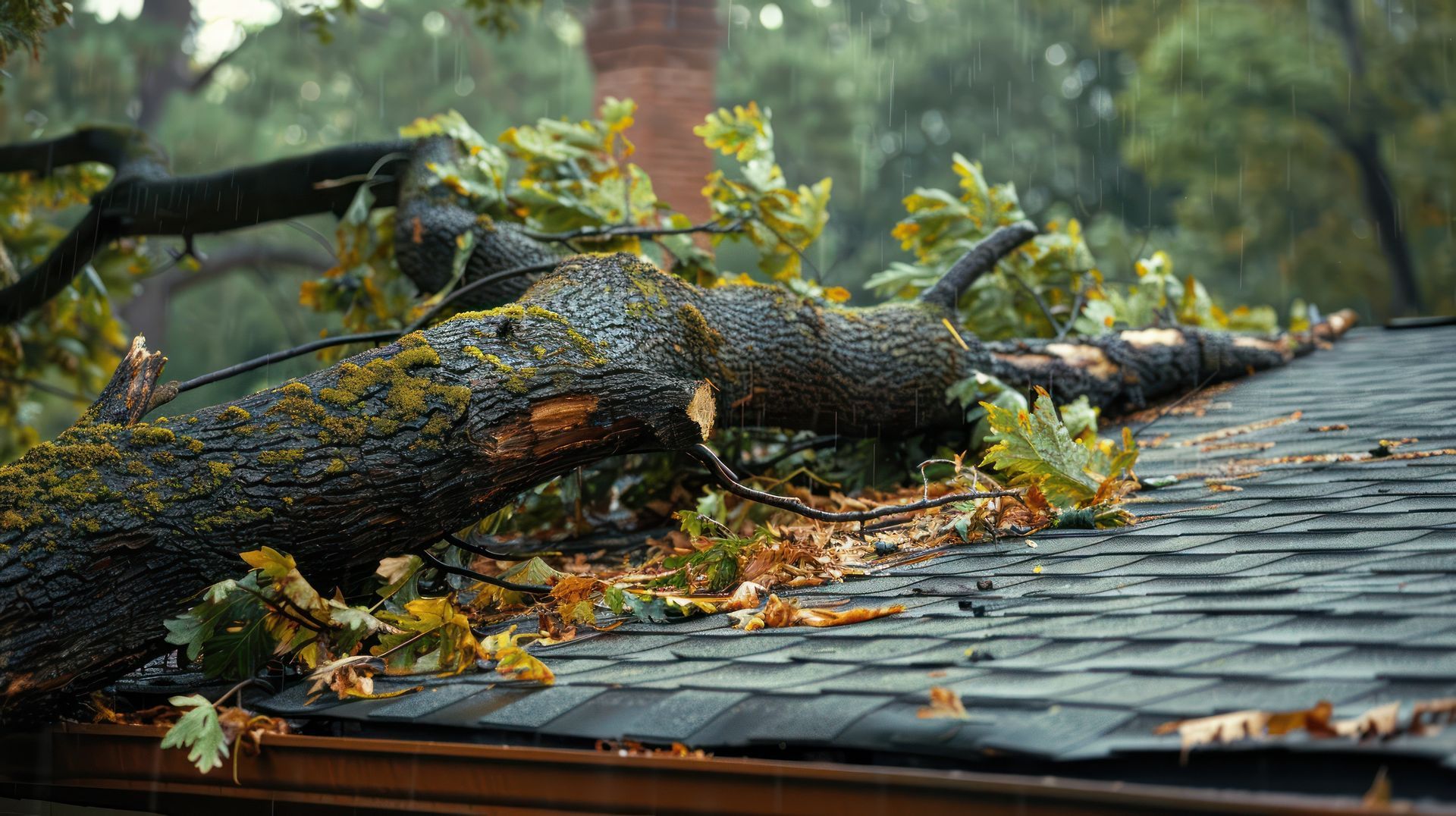
In Seattle, heavy rain, saturated soil and seasonal windstorms can make trees and branches more vulnerable to falling or breaking during fall and winter. Taking fast action if a tree or large branch crashes through part of your roof is vital for minimizing property damage and avoiding secondary damage that insurance may not cover.
Prioritize Safety First
If a tree has fallen on your roof, your first priority should be safety.
- Evacuate the home immediately if there’s significant structural damage
- Stay clear of affected areas, especially if the ceiling is sagging
- Watch for hazards like exposed nails, broken glass or unstable debris
If the tree has impacted power lines or you suspect electrical damage, leave the home and contact emergency services right away. Do not attempt to handle anything involving electricity yourself.
Call Emergency Services if Needed
Not every situation requires 911, but you should call for help if:
- The tree has brought down power lines
- There’s a risk of fire or electrical hazards
- Someone is injured
- The structure appears unstable or at risk of collapse
Seattle storms can create dangerous conditions, and it’s always better to err on the side of caution when safety is involved.
Document the Damage
Once it’s safe to do so, start documenting the damage for your insurance claim. Take clear photos and videos of:
- The tree on your roof
- Visible structural damage
- Interior damage (water damage, cracks, debris)
- Surrounding property impact
Avoid moving anything before documentation unless it’s necessary to prevent further damage or ensure safety.
Contact Your Insurance Company
Most homeowners insurance policies cover tree-related roof damage if it was caused by a storm or another sudden event. When you call your insurance provider:
- Explain what happened and when
- Provide the photos and documentation you’ve collected
- Ask about next steps for inspection and repairs
Keep in mind that while you may have weeks or months to file a claim, insurance policies typically require you to take reasonable steps to prevent further damage, so temporary repairs shouldn’t be delayed.
Prevent Further Damage
After the initial impact, your roof may be exposed to rain, wind and debris. Preventing further damage isn’t just about covering the area; it’s about making sure it’s secured correctly.
A professional emergency tarp installation typically includes:
- Securing the tarp to prevent wind uplift
- Properly covering and sealing the damaged area
- Stabilizing loose materials without causing additional damage
A poorly placed tarp can allow water in or fail during the next storm. A roofer can make sure the damage is properly protected until permanent repairs are completed.
Call a Roofing Contractor Even If the Damage Looks Minor
A tree impact is rarely just surface-level damage. Even if the visible damage seems limited and there was no penetration of the roof, there may be deeper issues with your roof decking, framing or structural supports.
A professional roofing contractor can:
- Perform a full inspection of your roof and attic
- Identify hidden damage
- Provide a clear repair or replacement plan
- Assist with insurance documentation
In many cases, what looks like a simple repair may actually require more extensive work to ensure your home is fully protected.
Avoid DIY Tree Removal
It might be tempting to try to remove the tree yourself, but this can be extremely dangerous. Tree removal on a damaged roof involves:
- Heavy, unstable debris that can shift unexpectedly
- Increased risk of further structural damage during removal
- Fall hazards and limited footing on a compromised roof
Always leave tree removal to professionals who can safely handle the situation without causing additional damage to your home.
Understand the Extent of Repairs
The impact of a fallen tree can vary widely depending on its size, weight and where it hit your roof. Repairs may involve:
- Replacing shingles and underlayment
- Repairing or replacing roof decking
- Fixing structural framing
- Addressing interior water damage
Plan for Future Prevention
While you can’t prevent every storm-related incident, there are steps you can take to reduce the risk:
- Trim overhanging branches near your roof
- Remove dead or weakened trees
- Schedule regular roof inspections
- Address minor roof issues before storms hit
Proactive maintenance can go a long way in protecting your home during Seattle’s storm season.
Acting Quickly After Serious Roof Damage Can Help Minimize Property Damage and Prevent Claim Complications
When a tree falls on your roof, time matters. The faster you secure your home and begin the repair process, the less risk you’ll face from water damage, mold and structural deterioration.
Even small delays can turn a manageable repair into a much larger and more expensive problem.
Call Chet’s Roofing & Construction for Emergency Tarping and Storm Damage Roof Repair
Chet’s Roofing & Construction has been helping Seattle homeowners recover from storm damage since 1998. Our team provides thorough inspections, emergency protection like tarping and high-quality repairs to restore your roof and your peace of mind.
Call (877) 611-1514 today to request a free estimate or emergency tarping after roof damage.