Why Is My Roof Making Noise at Night?
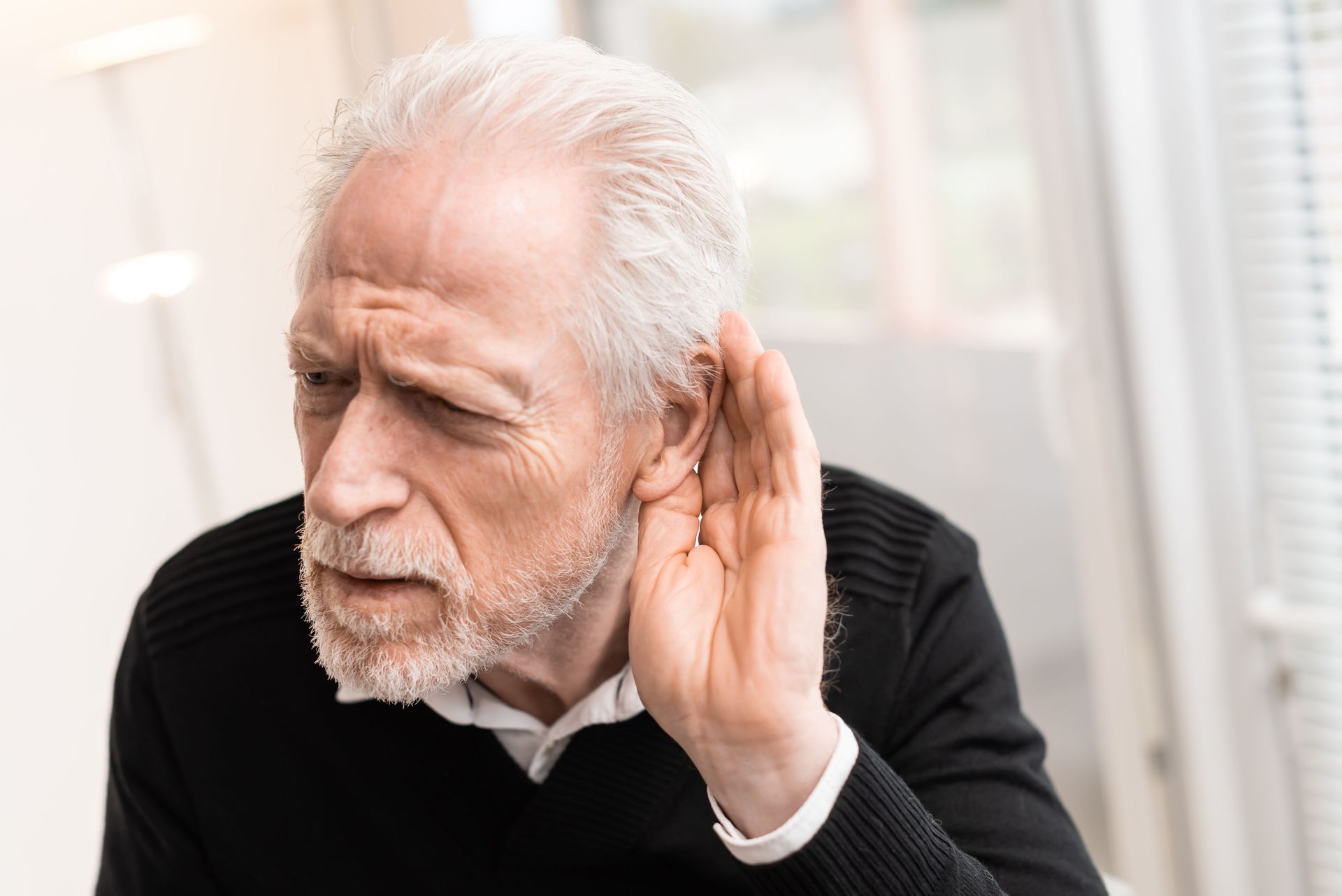
Hundreds of thousands of years of evolution have wired humans to be more alert to unexplained noises in the dark. That instinct, plus the silence of night, can make the temperature-driven creaks and pops of a home more noticeable than the same sounds during the day.
In most cases, those noises are caused by the contraction of cooling building materials. The concern isn’t the presence of sound; it’s when those nighttime noises change.
Temperature Changes and Roof Expansion
Even on a cloudy Pacific Northwest day, your roof will absorb heat. At night, temperatures drop, causing structural components, including rafters, trusses and roof sheathing, to contract. This expansion and contraction can create:
- Popping or ticking sounds
- Subtle creaking
- Occasional snapping noises
What matters is consistency. Most homes develop a predictable pattern of nighttime noise over time. When that pattern changes, or new sounds appear, it may be worth taking a closer look.
Moisture and Humidity Effects
Seattle’s climate is known for consistent moisture, and your roof is exposed to it year-round. At night, humidity levels can rise, and while this may cause minor movement as materials absorb or release moisture, temperature-driven expansion and contraction remain the primary source of most roof noises.
Wind and Loose Roofing Materials
Even light nighttime winds can cause roof noise if something isn’t fully secured. Common culprits include:
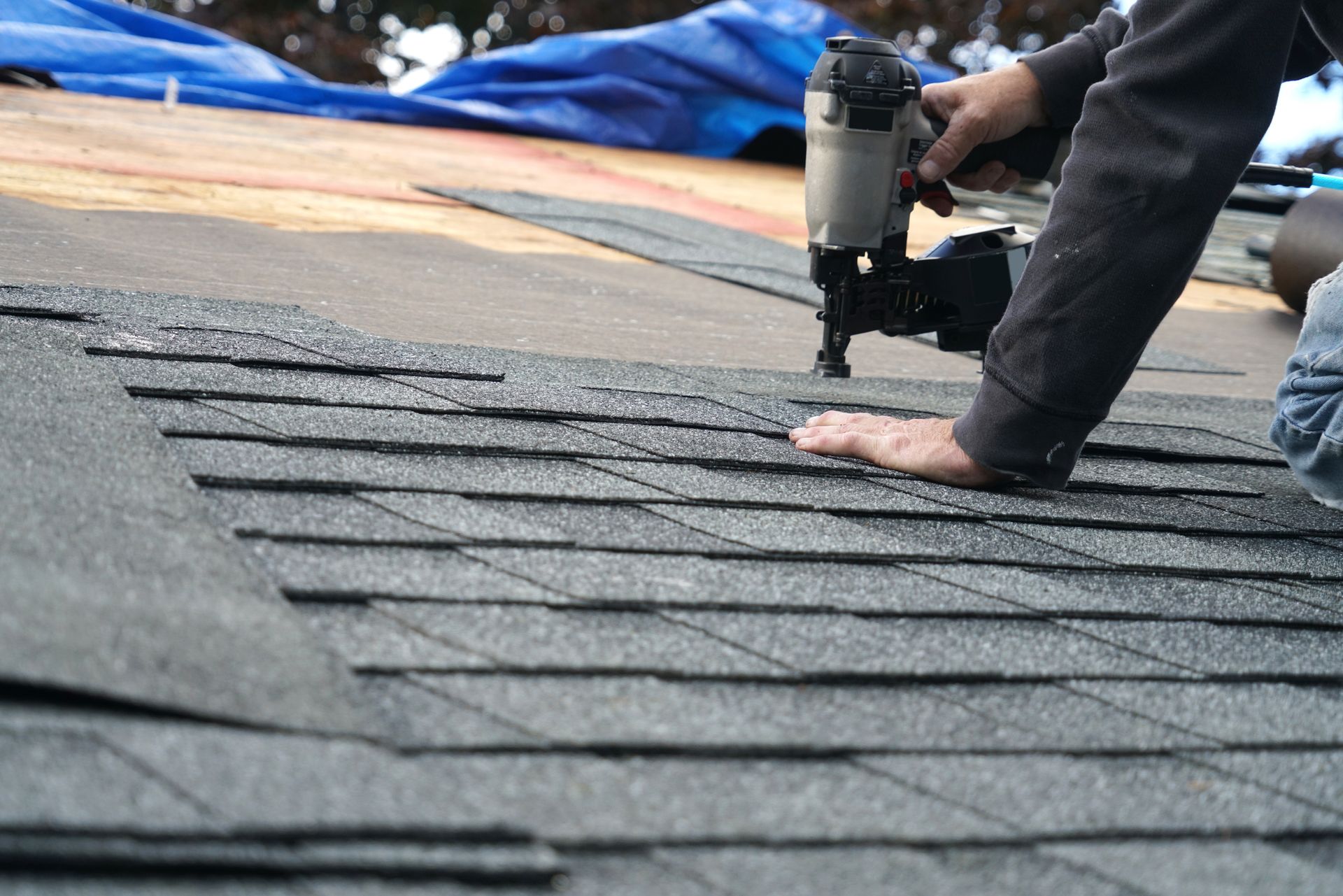
- Loose or lifted shingles
- Improperly fastened flashing
- Worn sealant around vents or chimneys that allows movement
Wind can get underneath these materials, causing flapping, rattling, or tapping sounds. In Seattle, where wind-driven rain is common, this type of issue can quickly escalate into leaks if not addressed.
If your roof sounds louder during windy nights, it’s worth having it inspected.
Animals on the Roof
Not all roof noises are structural. Some are caused by a much more immediate problem: animals.
Seattle homes often attract small animals looking for warmth or shelter, especially at night.
Common nighttime visitors include:
- Rodents (rats, squirrels)
- Raccoons
- Birds
These animals can create scratching, scurrying or thumping sounds. Beyond the noise, they can also damage shingles, vents and insulation.
If the sounds seem irregular or “active,” wildlife may be the cause rather than your roof itself.
Attic and Ventilation Issues
Your attic plays a big role in how your roof performs and sounds. Poor ventilation can trap heat and moisture, creating more extreme temperature swings in the materials above.
This can contribute to:
- Increased creaking or popping
- Condensation buildup
- Faster material wear
Structural Movement Over Time
Homes naturally settle over time, and your roof structure shifts along with it. This can lead to:
- Occasional creaks or groans
- Wood framing adjustments
- Slight movement in decking
While some structural noise is normal in older Seattle homes, changes in the type or location of those sounds may be worth a closer look.
When Roof Noise Is a Problem
Not all roof noise is cause for concern, but certain signs shouldn’t be ignored:
- Loud or sudden banging noises
- Sounds that are getting worse over time
- Noise paired with leaks or water stains
- Visible damage like missing shingles
- Increased noise during wind or rain
If you notice any of these, it’s time to take action. What seems like a small annoyance at night could be an early warning sign of a bigger roofing issue.
Don’t Ignore What Your Roof Is Telling You
Occasional pops or creaks that persist for decades are usually not a cause for concern. When your roof starts making unusual noises, it’s often a signal that something has changed, whether it’s natural wear, storm damage or a developing problem.
The experienced team at Chet’s Roofing & Construction has been helping Seattle homeowners diagnose and fix roofing issues since 1998.
We provide honest inspections, clear recommendations and high-quality roof repairs tailored to the unique conditions of the Pacific Northwest.
Call (877) 611-1514 today or request a free estimate through our website to find out what’s causing your roof noise and how to fix it before it becomes a bigger problem.