What Happens When an Older Roof Has Been Repaired by Several Different Contractors?
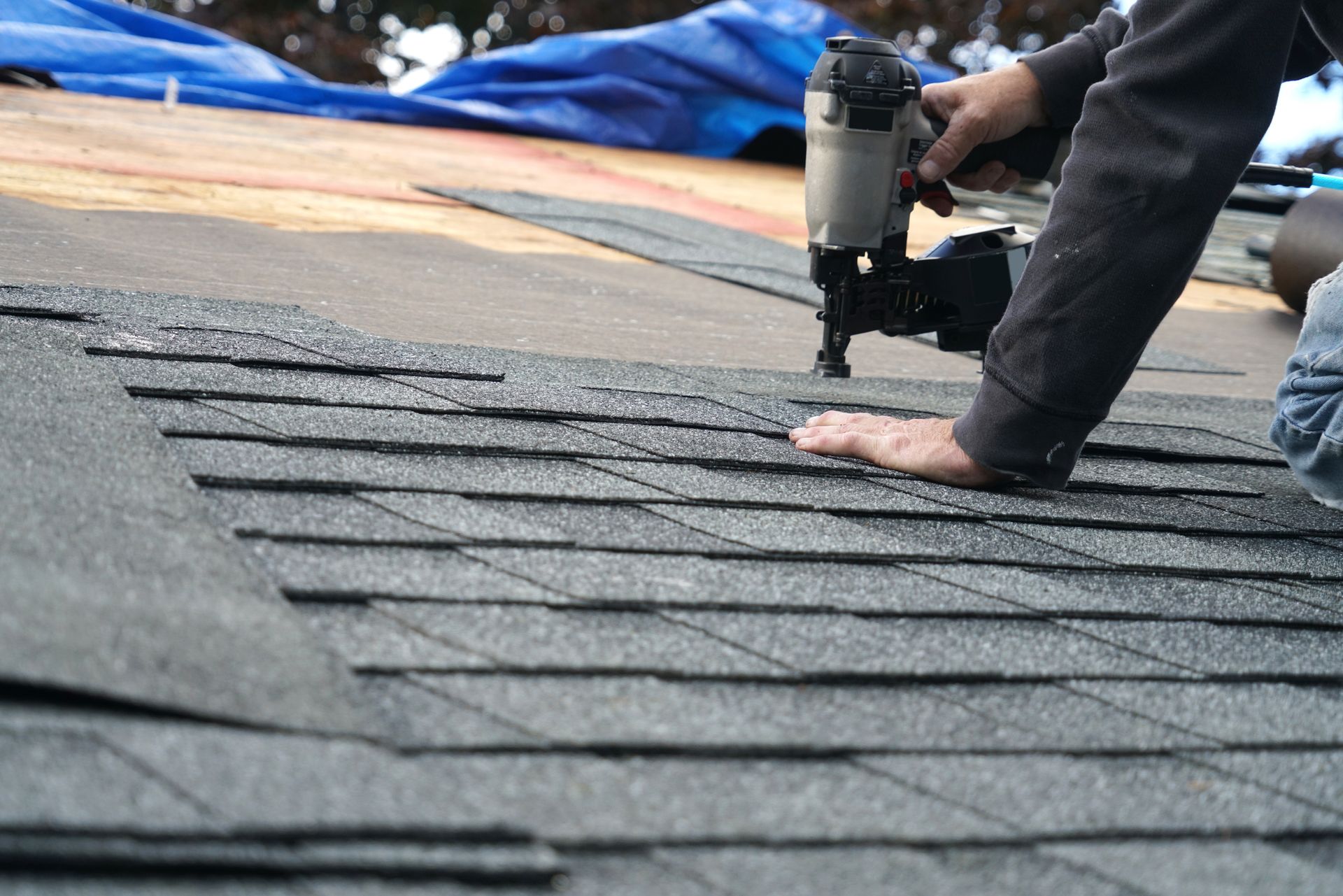
Like many home service industries, roofing involves some variation in how contractors approach repairs. Different roofers may prefer certain materials or techniques, and there isn't always one method that is objectively better than another. In many cases, multiple approaches can perform equally well.
Problems can arise, however, when materials or repair methods used at different times don't work well together. As a roof develops a longer repair history, those differences can make future problems more difficult to diagnose and address, even if each contractor performed the original roof repair correctly.
Older Shingles Can Be Difficult to Match
Even when the same roofer uses the same brand of shingles, repairing an older roof can become more complicated because roofing products change over time.
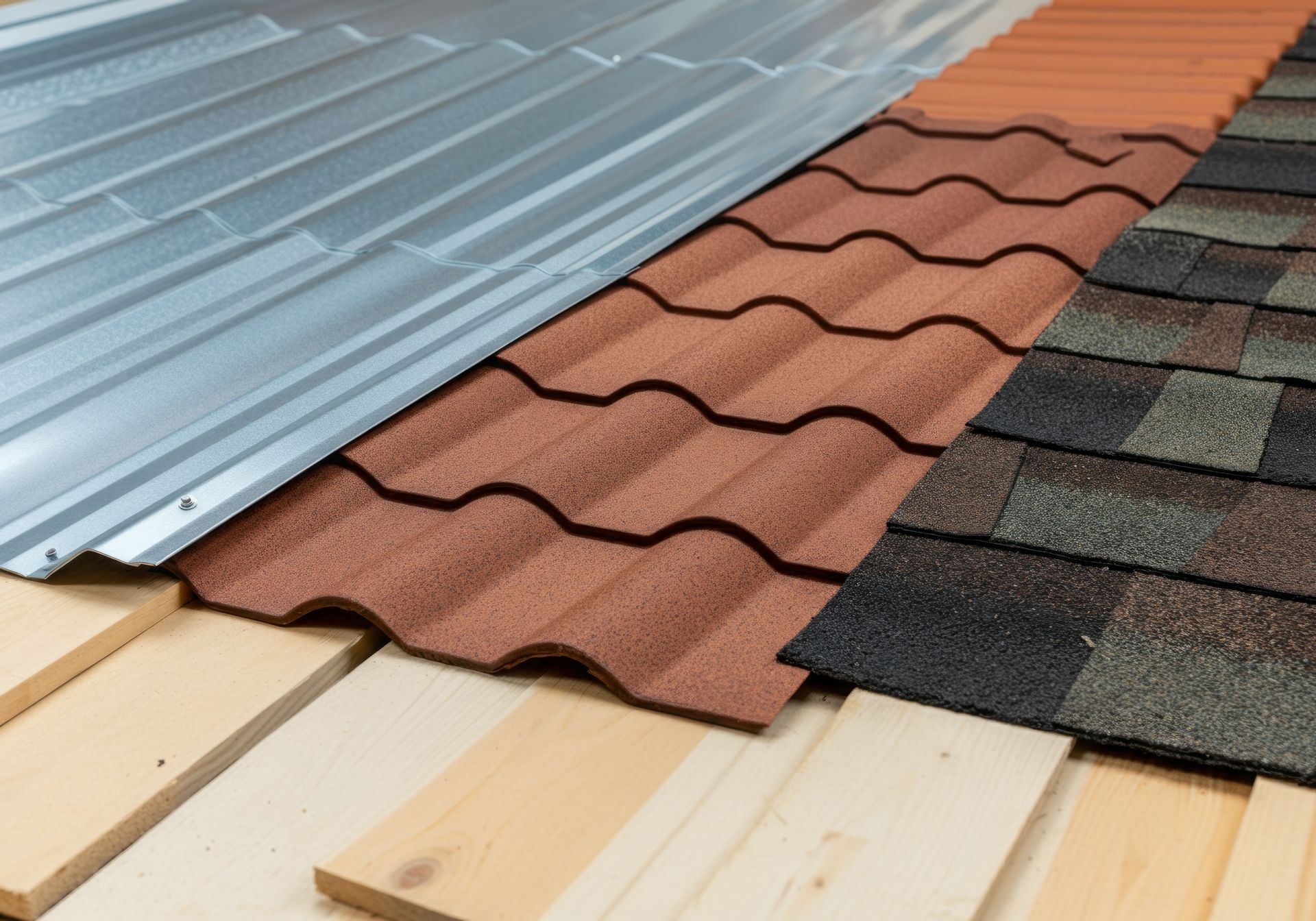
Replacement shingles that appear similar to the existing roofing don’t always match perfectly. Manufacturers may discontinue products, alter designs or produce slightly different colors and textures.
A roof that has been repaired repeatedly can contain shingles from different production periods or even different product lines. Some differences may be purely cosmetic, but others can affect thickness, sealing strips, fastening requirements, dimensions or expected lifespan. That can make it more difficult to match replacement shingles precisely or determine how newer materials should integrate with older roofing.
This becomes especially important when trying to identify whether a problem is limited to one repair area or is related to the age and condition of the broader roofing system.
Different Contractors May Use Different Repair Approaches
Competent roofers will generally agree on what type of component needs to be repaired, but they may not approach the repair in exactly the same way. One contractor may remove a larger section of surrounding roofing to rebuild an area, while another may make a more localized repair. Contractors may also use different flashing details, fasteners, sealants or replacement materials depending on the roof and the products available at the time.
Over time, these different approaches can leave a patchwork of repairs across the roof. A contractor inspecting the roof later may have to determine which repairs are original, which were added later and whether previous work is contributing to the current problem.
The more complicated the repair history, the more important a thorough inspection becomes.
Layered Sealants Can Hide the Original Problem
Sealants are useful when appropriately applied, but repeatedly adding sealant over an existing repair can make a roofing problem harder to diagnose.
Instead of being able to clearly see the original flashing, seams or roofing materials, a roofer may encounter multiple layers of caulk or roofing cement. Those layers can conceal cracks, gaps or other conditions underneath them.
A new leak may not necessarily originate where water is appearing inside the home, either. Water can travel beneath roofing materials before entering the house, making an older roof with numerous repairs particularly challenging to troubleshoot.
Reused or Altered Flashing Can Complicate Repairs
Flashing is an important part of a roofing system wherever shingles meet vertical surfaces such as walls, chimneys or vents. Different types of flashing are used depending on the location and application.
If previous repairs reused, altered or worked around existing flashing, the next contractor may not be able to tell exactly how the flashing was originally installed or modified without removing surrounding materials. A repair that appears straightforward from the outside may require a closer examination of how the roofing components were assembled.
This is one reason simply adding another patch isn't always the best solution for an older, heavily repaired roof.
Undocumented Repairs Leave Questions Behind
If records from previous repairs aren't available or don't show where repairs were made, what materials were used or what problems contractors were attempting to correct, a roofer has to reconstruct the roof's history through an inspection.
That can make diagnosing recurring leaks particularly difficult. A homeowner may know that "the roof has leaked before," but not necessarily where the previous leak originated or what work was performed.
Get an Experienced Roof Assessment in Seattle and Puget Sound, WA
An older roof that has been repaired by several contractors may contain several generations of repair work. A new leak doesn't always mean the newest repair failed. It could be related to an older repair, deteriorated roofing materials, flashing, drainage issues or another area entirely.
That's why experience matters when evaluating an aging roof. Chet's Roofing & Construction has decades of combined roof repair, replacement and maintenance experience in the Puget Sound region.
If you're dealing with a recurring leak or an older roof with a long repair history, contact us at (877) 611-1514 to discuss your options and schedule an estimate.