Why Roof Damage Can Be Worse on Additions Than on the Original House
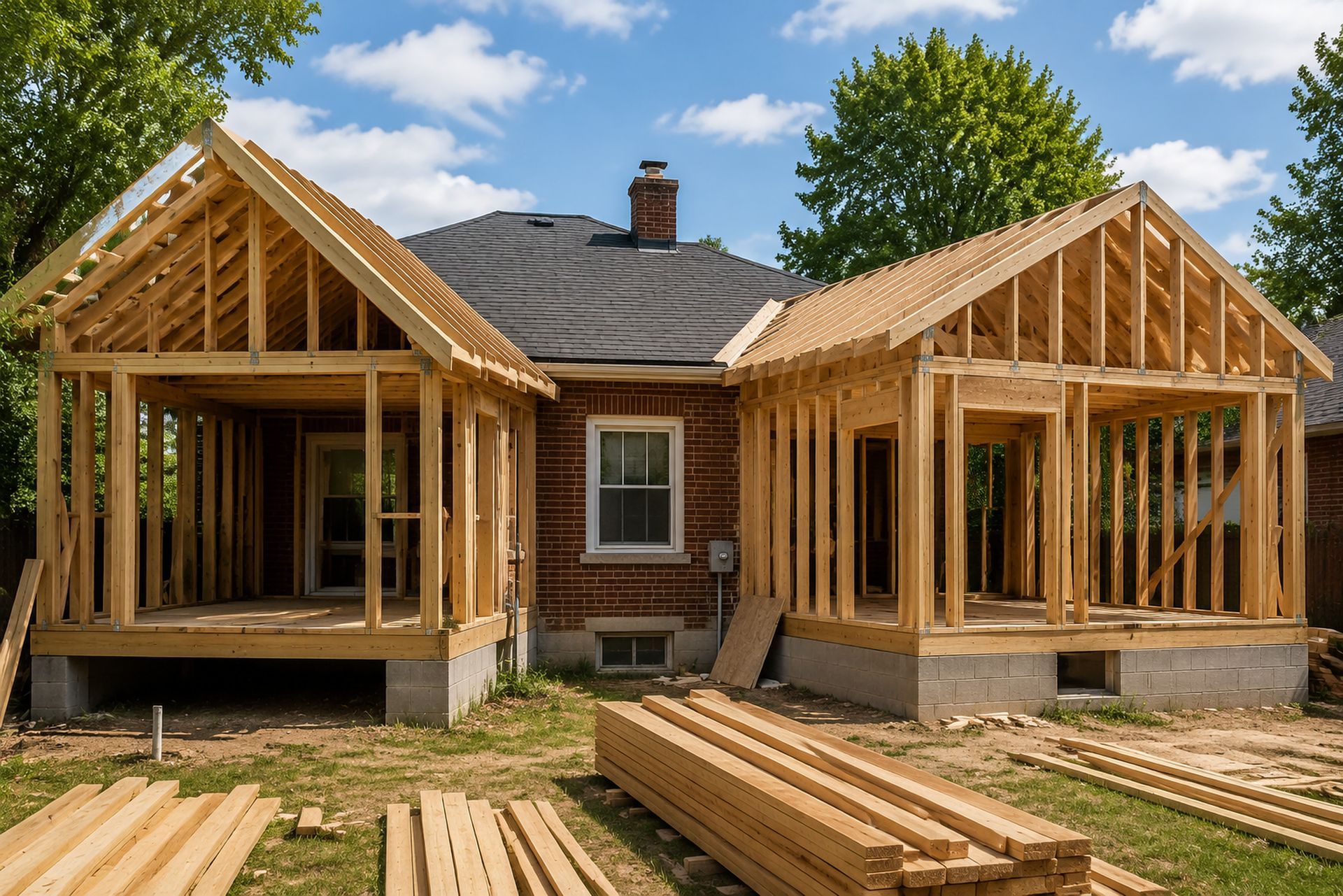
When a home has been expanded or remodeled, the addition may look like it has always been part of the house. From a roofing perspective, however, the original structure and the addition can be very different systems. They may have different roofing materials, different pitches, different ages and different construction methods.
This can make additions particularly vulnerable to roof damage, especially when the newer construction meets an older roof.
Different Roof Ages Can Create Uneven Wear
One of the most obvious differences between an original house and an addition is the age of the roofing materials. An older section of the home may have years of weather exposure behind it, while the addition may have a much newer roof.
That doesn't necessarily mean the newer roof is more durable or less likely to experience problems. Instead, the transition between the two systems can become an important area to monitor.
The older roof may have deteriorated decking, flashing or underlayment, while the addition has newer materials installed around it. When those systems meet, differences in condition can complicate repairs and create opportunities for moisture intrusion.
Different Pitches Change How Water Moves
Roof pitch affects how quickly water drains from a roof. When an addition has a different pitch from the original structure, water may move differently across the connected roofing areas.
A steep section may shed water toward a lower-pitched addition, concentrating runoff in a particular location. Valleys, intersections and roof-to-wall transitions can therefore receive significantly more water than other areas.
If drainage wasn't properly considered when the addition was constructed, these areas can become recurring sources of leaks or water damage.
Similar-Looking Shingles May Not Be the Same Product
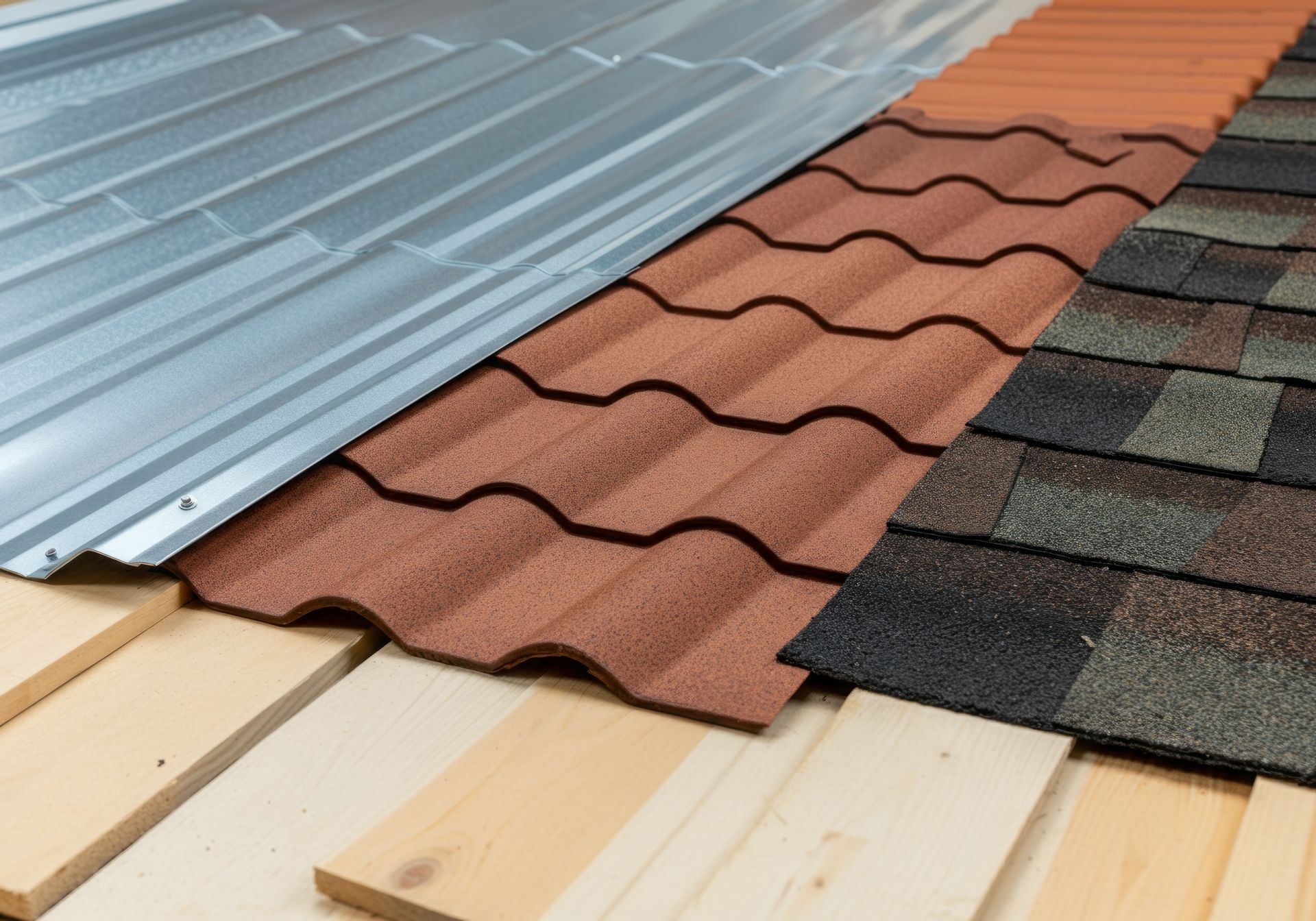
When an addition is built years after the original home, matching the existing roof doesn't necessarily mean using the exact same roofing product. The original shingles may have been discontinued, may no longer be available or may simply come from a different manufacturer than the shingles used on the addition.
From the ground, the two sections may look nearly identical. However, shingles from different manufacturers or product lines can vary in dimensions, thickness, fastening requirements, seal-strip design and other installation specifications.
Those differences don't necessarily indicate a problem. Each section can perform properly when installed according to its manufacturer's requirements. However, knowing that the roof contains different products can be important when inspecting damage, planning repairs or eventually determining how much of the roof needs to be replaced.
Roof-to-Wall Transitions Are Critical Areas
Additions frequently create new places where a roof meets a wall. These roof-to-wall transitions require proper flashing because water can otherwise find its way behind roofing materials and into the structure.
On an addition connected to an older home, the transition may involve existing construction that was never originally designed to connect with the newer roof. If flashing or other transition details deteriorate, even a relatively small opening can allow water to enter.
Additions Can Change the Home's Drainage
Adding square footage doesn't just change the home's floor plan. It can also change the way rainwater moves across the roof.
A new roof section may redirect runoff toward an older section of the house. Gutters and downspouts may also need to handle water from a larger or differently shaped roof area.
In the Puget Sound region, where wet weather is a regular concern, effective drainage is especially important. An addition can create new valleys, roof intersections and concentrated runoff areas where debris is more likely to collect and interfere with drainage.
Workmanship Differences Can Matter
An addition may have been built years or decades after the original home, potentially by a different contractor using different construction methods. Later repairs may introduce additional variations.
The result can be a roof with multiple generations of workmanship. When a leak develops near an addition, determining exactly where water is entering and why may require looking beyond the immediately visible damage.
Find the Right Solution for Roof Problems on an Addition
Chet's Roofing & Construction has served the Puget Sound region since 1998, providing roof repair, replacement and maintenance services for homes throughout the area. Our team can evaluate problems affecting both the original roof and newer additions and recommend an appropriate repair or replacement strategy based on the condition of each section.
If your home has an addition and you're noticing leaks, damaged shingles or recurring moisture problems, contact us at (877) 611-1514 to schedule an assessment and discuss your options.