Why Wind-Lifted Shingles in Seattle Often Don’t Leak Right Away
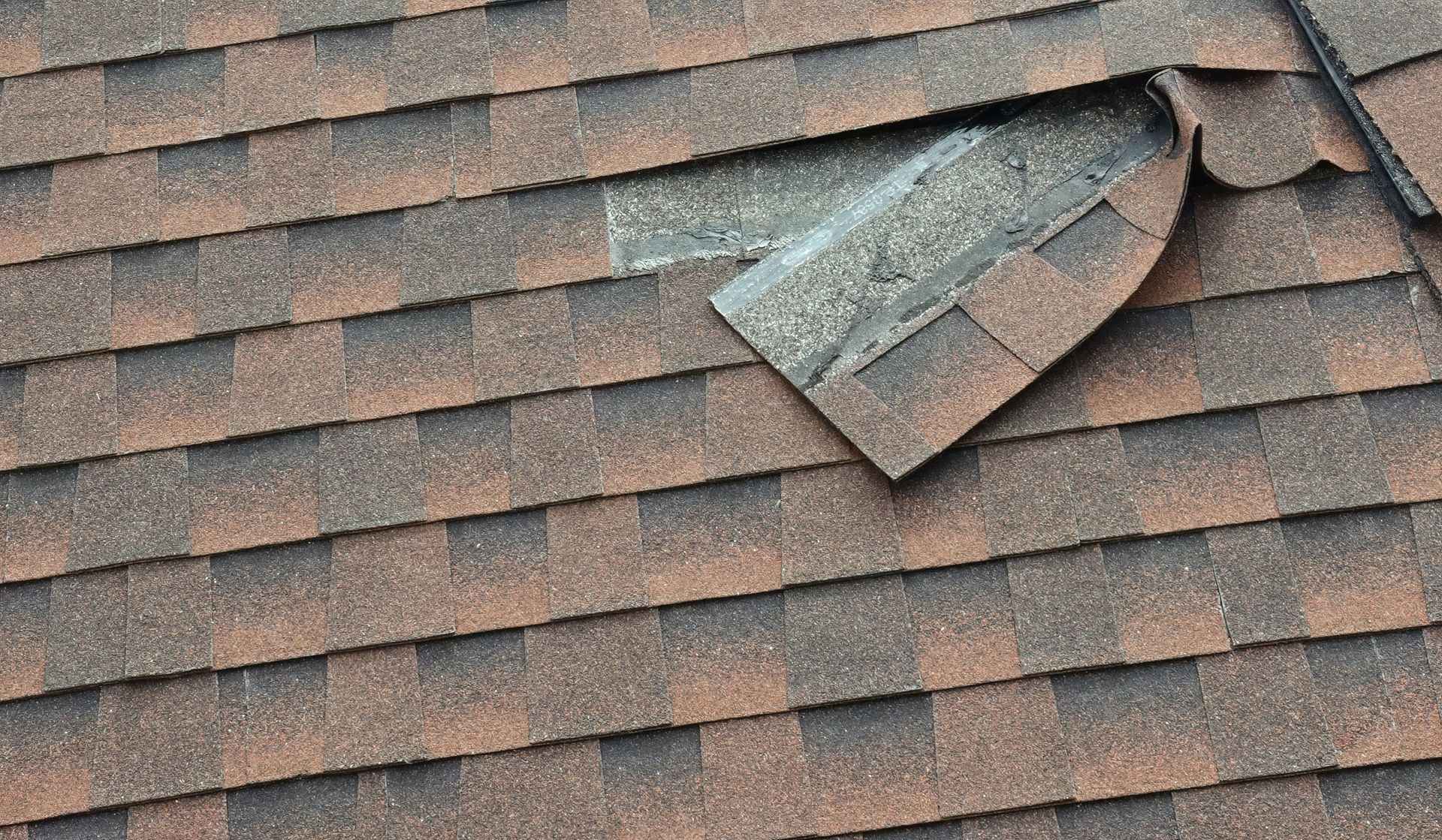
After a major windstorm in Seattle, many homeowners expect roof damage to immediately result in a visible leak. However, shingles are only the first line of defense. If wind lifts or loosens a shingle but the underlayment beneath it remains intact, water may not enter the home right away.
That does not mean the damage is harmless. Lifted shingles should still be treated with urgency. Once the seal is broken, repeated rain, damp weather and additional wind can make the problem worse until water eventually finds a path beneath the roofing system.
How Wind Breaks Shingle Seal Strips
Modern asphalt shingles are designed with seal strips that help bond shingles together after installation. These adhesive strips create resistance against wind uplift by helping shingles remain securely attached to the roof surface.
During strong wind events, however, gusts can force shingles upward and break these seal strips. Even if the shingles settle back down after the storm passes, the shingles may no longer sit tightly against the roof deck.
This type of damage is not always obvious from the ground because the shingles may still appear aligned and intact, but the roof will be more vulnerable to future storms and moisture intrusion.
Why Underlayment Temporarily Hides Leaks
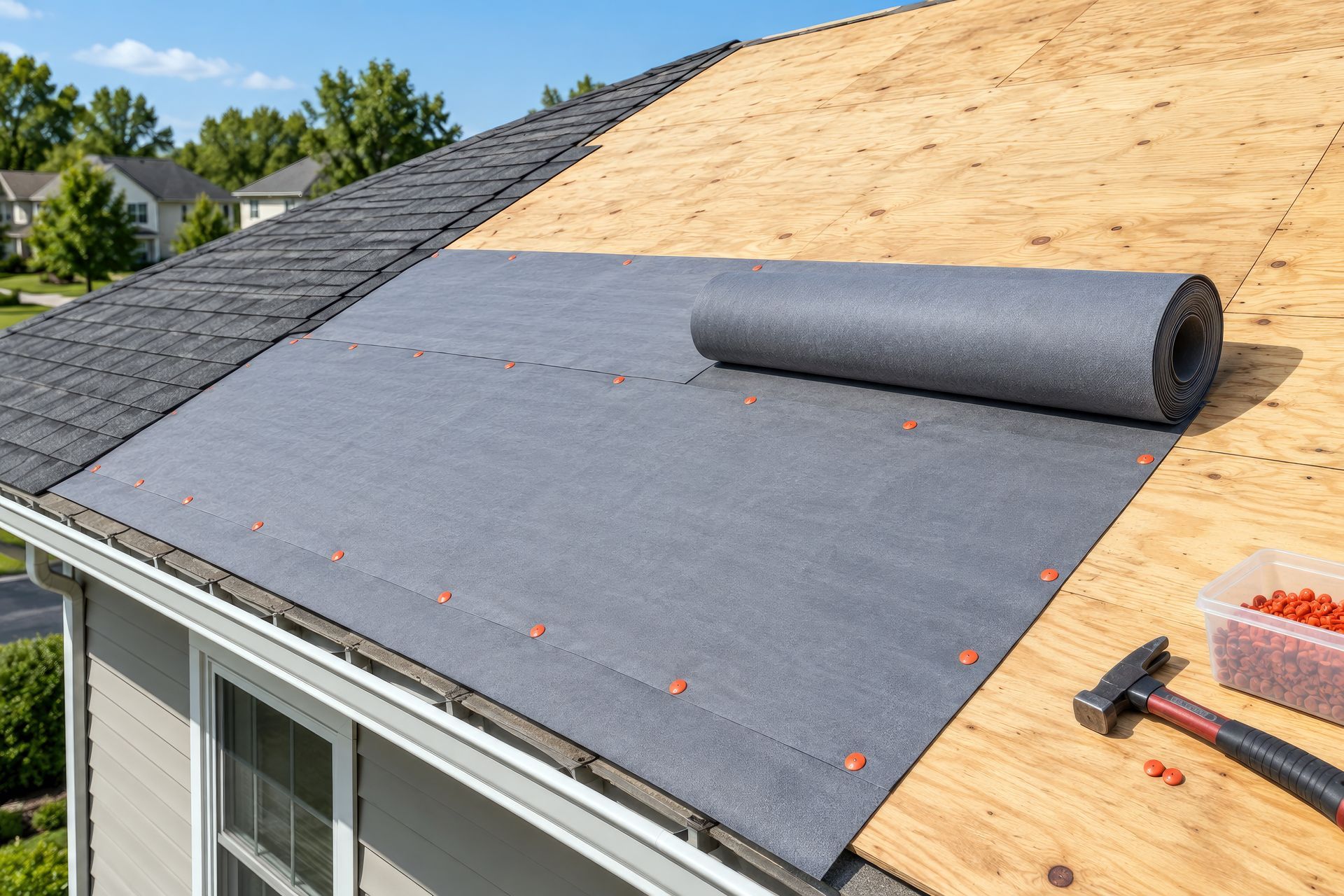
When shingles become partially lifted or loosened, the underlayment may still prevent water from entering the home for a period of time.
This can give homeowners the impression that the roof escaped damage even though the outer roofing materials have already been compromised.
However, underlayment is not designed to serve as the roof’s primary long-term weather barrier. Repeated exposure to moisture, wind and water infiltration can eventually overwhelm or damage this protective layer.
Delayed Leaks After Repeated Storms
Once shingles lose their sealed attachment, future wind and rain events can gradually worsen the damage over time. Repeated storms may:
- Lift shingles further
- Allow water beneath roofing layers
- Loosen nails or fasteners
- Damage surrounding shingles
- Saturate underlayment
- Expose vulnerable roof decking
Even small openings beneath shingles can eventually allow enough water intrusion to create interior leaks.
Hidden Damage Beneath Lifted Shingle Tabs
Wind damage is not always limited to the visible shingle surface. When shingles lift repeatedly during storms, hidden structural damage can begin developing beneath the tabs. Potential hidden damage may include:
- Creased shingles
- Torn seal strips
- Loosened fasteners
- Moisture intrusion beneath shingles
- Softened roof decking
- Deteriorating underlayment
Creased shingles are especially important to identify because they may appear relatively normal from a distance while actually being weakened and more likely to fail later.
Once shingles have been bent backward by strong winds, they often lose structural integrity even if they settle back into place afterward.
Over time, these damaged areas become increasingly vulnerable to tearing and moisture penetration.
Without a professional inspection, many of these hidden issues remain undetected until larger roofing problems develop.
Why Roofs Can Look Fine from the Ground
One of the biggest challenges with shingle creasing and lifting is that roofs frequently appear normal when viewed from the ground.
Homeowners may not see missing shingles or obvious damage, leading them to assume the roof is still in good condition.
However, wind-related roofing problems are often subtle and difficult to identify without a closer inspection. Common subtle signs of wind damage include:
- Lifted shingle corners
- Slight shingle displacement
- Minor edge curling
From the ground, these issues may be nearly impossible to spot, especially on taller homes or steep roof slopes.
Seattle’s cloudy weather and damp roofing surfaces can also make visual inspections more difficult for homeowners. Moss, debris and moisture buildup may hide damaged areas that only become visible during a detailed roof inspection.
A professional Puget Sound roofer can safely inspect the roof up close, identify subtle signs of lifted or creased shingles and document damage that may not be visible from the ground. Calling a roofer is usually safer than climbing onto a wet or storm-damaged roof yourself, especially on steep Seattle rooflines.
Contact Our Team for Storm Damage Roof Inspections in Seattle
Chet’s Roofing & Construction provides professional roof inspections, repairs and replacement services for homeowners throughout the Seattle area. Our experienced team can identify hidden roofing issues before they become larger and more expensive problems.
Contact us at (877) 611-1514 to schedule an inspection and protect your home from ongoing Pacific Northwest weather exposure.