How Condensation Builds in Attics During Cold Weather
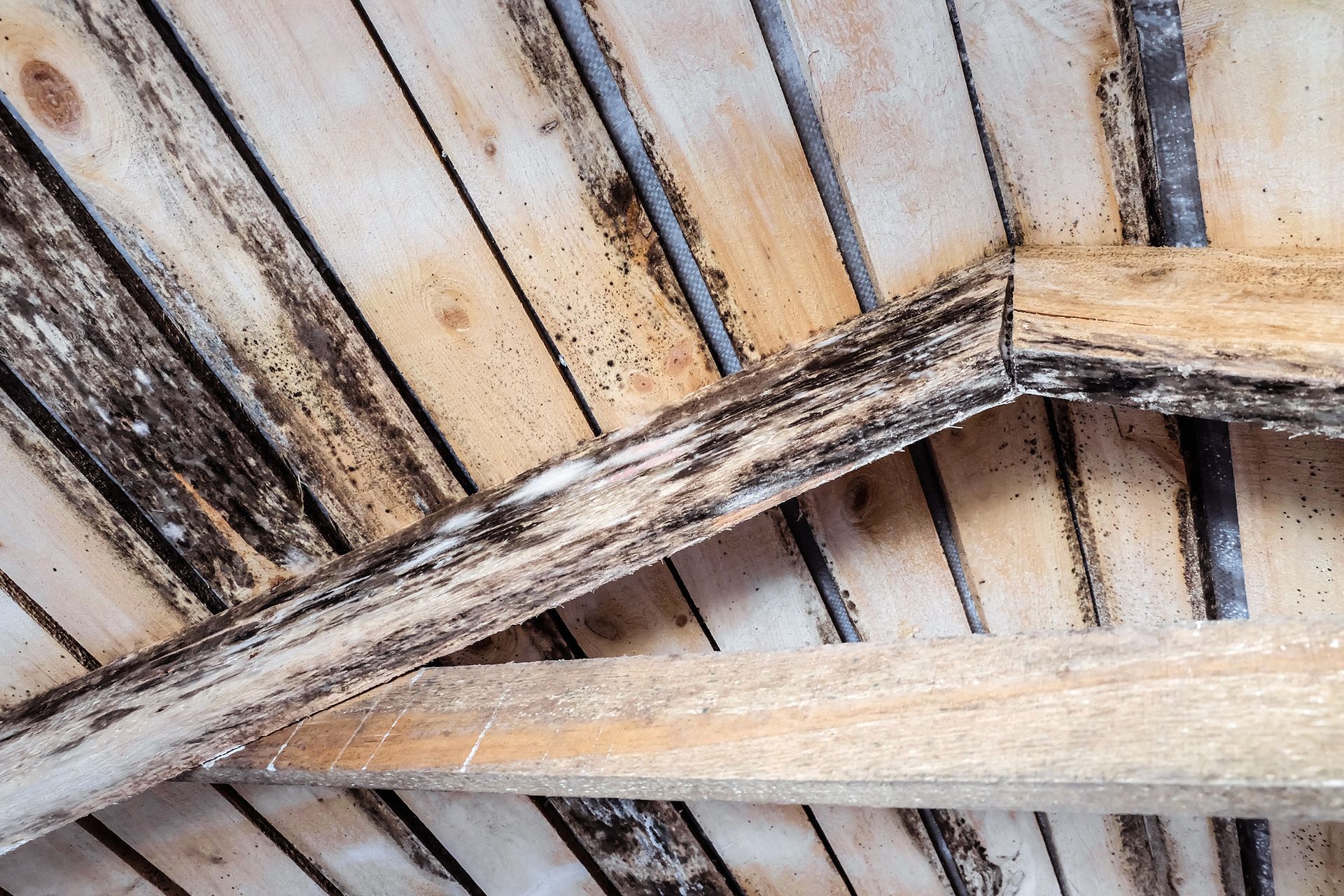
During the colder months in Western Washington, many homeowners discover dark staining, damp insulation or moisture buildup in their attic and immediately assume the roof is failing. In reality, a large percentage of wintertime attic moisture issues are caused by condensation rather than an active roof leak.
Why Cold Weather Creates Condensation Conditions
Condensation forms when warm, moisture-laden air comes into contact with a cooler surface. In winter, that surface is often the underside of the roof deck.
Inside the home, everyday activities generate moisture. Cooking, showering, laundry and even breathing add humidity to indoor air.
When that warm air rises into the attic and meets a cool roof deck, the temperature difference causes water vapor to condense into liquid, similar to moisture forming on a cold window.
In the Puget Sound region, winter temperatures frequently stay above freezing but remain cool enough to keep roof surfaces cold for extended periods. Combined with high indoor humidity and limited drying conditions, this creates an environment where attic condensation can occur.
The problem is especially common in older homes, those with marginal attic ventilation and homes where bathroom or kitchen exhaust fans are venting into the attic instead of outside.
Why Condensation Often Looks Like a Roof Leak
In homes that have this problem, distinguishing condensation from an actual leak isn’t always easy. Both can produce similar visual signs, including dark staining on roof decking, damp or compressed insulation, moisture around nails or fasteners and dripping during cold mornings.
Because these signs often appear during rainy months, it is easy to assume water is entering through the roof. Condensation, however, usually appears more evenly across surfaces, while active leaks typically trace back to a specific entry point such as flashing, roof penetrations or damaged shingles.
This distinction matters. Treating condensation as a roof failure can lead to repairs that do not address the real cause of the moisture.
The Role of Indoor Humidity
During winter, homes are sealed tightly to retain heat. While this improves energy efficiency, it also traps moisture inside the living space.
Bathrooms, kitchens, laundry rooms and crawlspaces contribute to humidity. If this moisture is not properly vented outdoors, it can migrate upward into the attic. Once there, it meets cold surfaces and condenses.
Ventilation and Insulation as Control Factors
Attic condensation is rarely caused by roofing materials. It is influenced by how heat, air and moisture move through the structure.
Proper attic ventilation helps regulate temperature and allows moist air to exit before it condenses. Balanced intake and exhaust ventilation reduce the buildup of humid air in the attic.
Insulation also plays a critical role. Adequate insulation slows the movement of warm indoor air into the attic, reducing the likelihood that moisture will reach the roof deck.
When ventilation or insulation is inadequate, condensation becomes far more likely, even on newer roofs.
Condensation Is Not a Sign That a Roof Requires Replacement
Many roofs experiencing winter condensation are structurally sound and simply need improved moisture management.
In some situations, fixing exhaust fan vents and adjusting attic ventilation, air sealing or insulation are enough to resolve the issue.
A qualified roofing professional should focus on identifying the source of the moisture before recommending major work.
When Condensation and Leaks Overlap
While condensation and leaks are different issues, they can occur at the same time. Ongoing moisture from condensation can make minor vulnerabilities more noticeable, and a small leak may appear more severe in a humid attic environment.
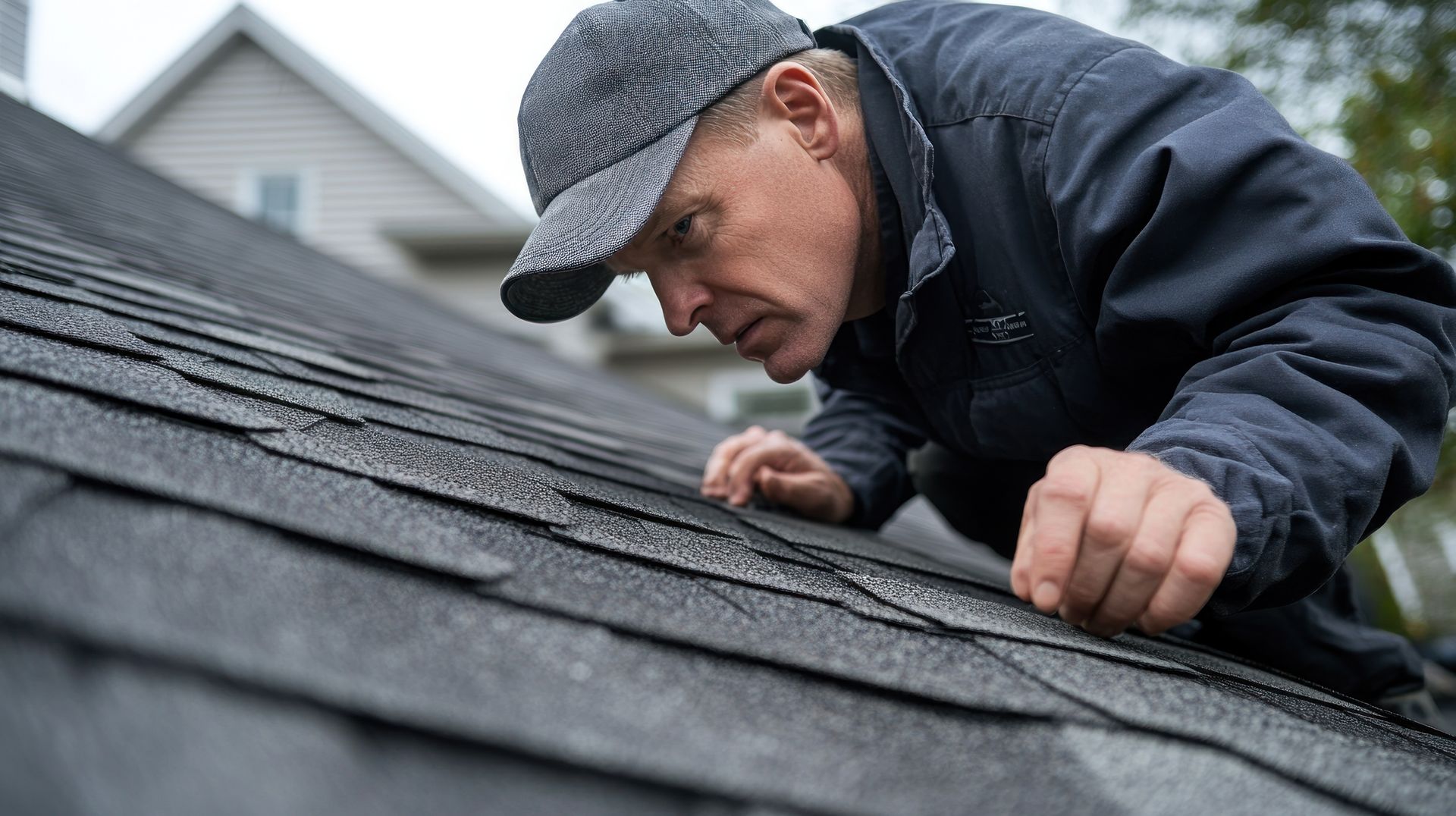
This is why inspection matters. Accurate diagnosis prevents misinterpretation and ensures the correct solution is applied.
Why This Is Common in Seattle’s Climate
Seattle’s climate combines mild winters, frequent rain and limited direct sunlight. Roof decks remain cool for long periods, indoor humidity stays elevated and moisture takes longer to dry.
Even in well-constructed homes, ventilation or exhaust components may need to be modified to better handle winter attic humidity.
A Smarter Way to Address Attic Moisture
If you notice moisture or staining in your attic during winter, the best first step is understanding the source. Condensation is common, manageable and often preventable with the right adjustments.
Chet’s Roofing & Construction provides careful inspections and practical guidance to help homeowners identify the source of moisture and avoid unnecessary repairs.
Contact us at (877) 611-1514 to schedule an inspection and get straightforward, professional insight tailored to Seattle’s damp climate.