Skylight Leaks vs. Roof Leaks: How to Tell Which One You Actually Have
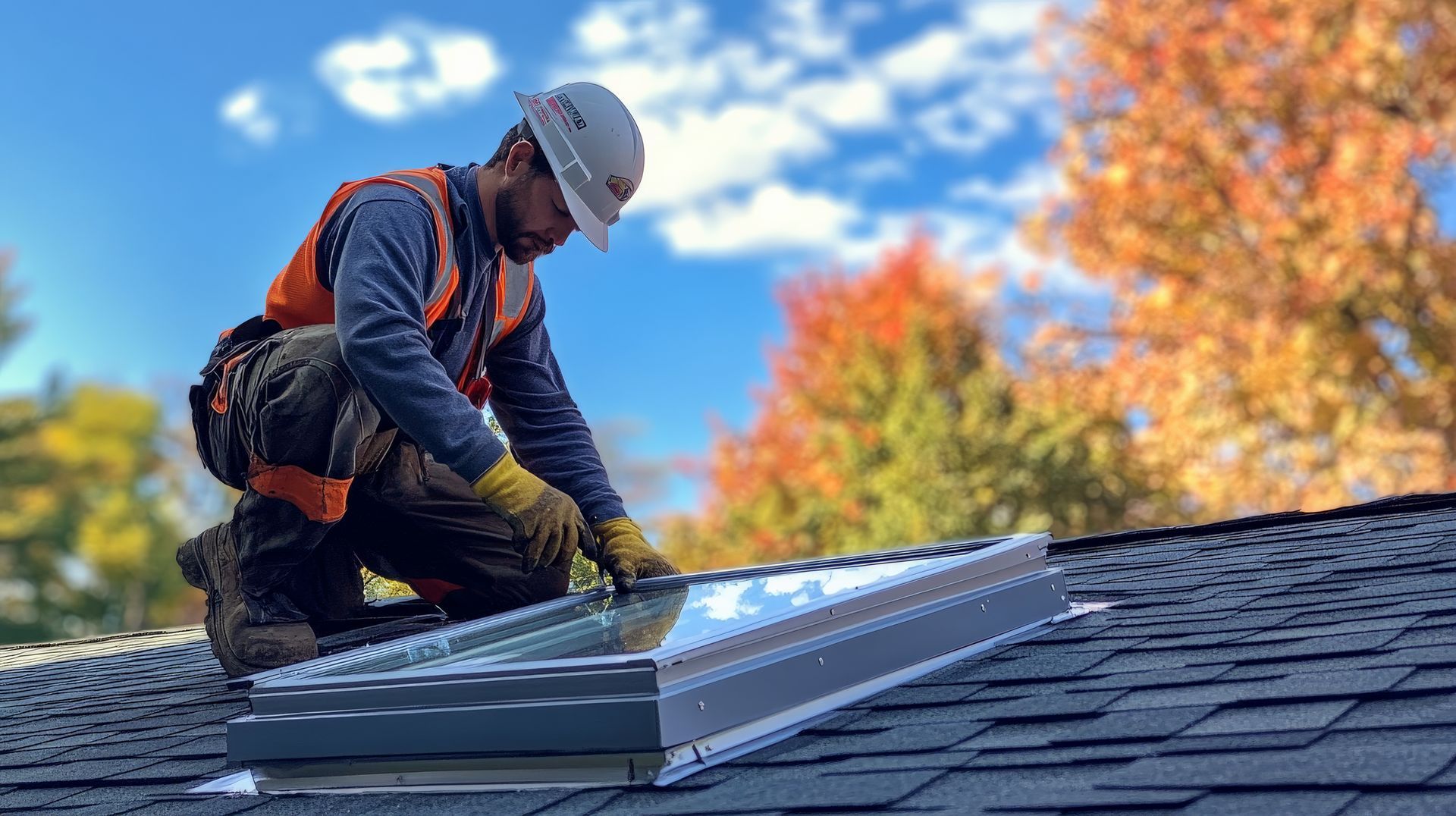
In the Seattle and greater Puget Sound area, skylight leaks are often misdiagnosed. Some homeowners assume the skylight itself has failed and move straight to a roof replacement, when the real issue may be deteriorated flashing, compromised underlayment or aging roofing materials surrounding the opening.
In other cases, the skylight unit truly has reached the end of its lifespan. The key is understanding where the water is actually entering before committing to a costly fix.
The Three Main Leak Sources
When water appears near a skylight, it typically falls into one of these categories:
- Failed skylight seals or glass units
- Clogged weep channels or interior condensation
- Flashing or roofing integration failure
Each has different symptoms and different solutions.
Failed Skylight Seals
Modern skylights often use insulated glass units with sealed edges that keep moisture out and insulating gas in.
Signs of Seal Failure
- Fogging or condensation between glass panes
- Persistent moisture trapped inside the glazing
- Visible streaking inside the glass
If moisture is between the panes, the skylight itself has failed. This is not a roofing issue. The insulated glass seal has broken down, and no amount of exterior flashing repair will fix it.
Repair or Replace?
In most cases, a failed insulated glass unit requires replacement of the skylight or sash. Attempting to patch around it will not address the root problem.
Clogged Weep Channels or Interior Condensation
Not all moisture around a skylight is a leak.
Many skylights are designed with small weep channels that allow minor condensation to drain to the exterior. In Seattle’s damp climate, debris or roof sediment can clog these channels. When weep channels clog, water can back up inside the skylight frame and drip from interior corners. This can look like a roof leak even though the roofing system is intact.
Signs of Weep Channel Issues
- Water appears only during heavy rain
- Small drips at interior corners
- No visible roofing damage outside
Cleaning weep channels may resolve the issue without replacing anything.
Interior Condensation
Condensation is often mistaken for a leak, especially during cold months.
Warm indoor air rises and meets the colder skylight glass. If humidity levels are high, moisture forms on the interior surface, runs down the pane and can collect along the frame or dampen the surrounding drywall.
Signs Interior Water Is Condensation
- Moisture appears during cold weather but not necessarily during rainfall
- No visible roof damage
- High indoor humidity levels
In this case, improving ventilation, adding a bathroom fan or reducing indoor humidity may solve the problem. Replacing the skylight or roof would not.
Flashing and Roof Integration Failures
Skylights must be properly integrated into the roofing system with step flashing, underlayment and waterproof barriers. If this installation was rushed or aging materials have deteriorated, water can enter around the skylight even if the skylight itself is perfectly functional.
Signs of Flashing Failure
- Leaks only during wind-driven rain
- Water stains extending beyond the skylight frame
- Shingles lifting or deteriorating around the skylight
- Evidence of aging or cracked sealant at flashing edges
In the Puget Sound region, constant rainfall tests flashing systems repeatedly. Even small gaps can allow water intrusion.
How to Tell Which One You Have
If moisture is inside the glass panes, it is a skylight seal failure.
If dripping happens only during cold snaps and you see condensation on interior surfaces, it is likely humidity-related.
If leaks occur during heavy rain, especially with wind, and stains spread outward from the skylight, it is often a flashing or roofing integration issue.
A professional inspection can confirm the true source of skylight issues.
Repair vs. Replacement Guidance
When Skylight or Roof Repair Makes Sense
- Flashing has failed but skylight glazing is intact
- Roofing materials around the skylight are deteriorated
- Weep channels are clogged
- Sealant or integration details need correction
In these cases, targeted flashing repair or partial reroofing around the skylight can solve the problem without full replacement.
When Skylight Replacement Is the Better Investment
- Insulated glass seal failure
- Cracked skylight dome
- Significant frame deterioration
- Very old skylight paired with upcoming roof replacement
If your roof is already being replaced, upgrading aging skylights at the same time often makes long-term sense.
Have Your Skylight Integration Inspected by Trusted Seattle Roofers
Chet’s Roofing & Construction Inc. has been serving Seattle and the greater Puget Sound region since 1998. We provide clear explanations and practical recommendations so you can make an informed decision.
If you are dealing with moisture around your skylight, call (877) 611-1514 toschedule a professional roof inspection today.