Torch-Down vs. TPO/PVC Flat Roof Performance in Seattle’s Wet Season
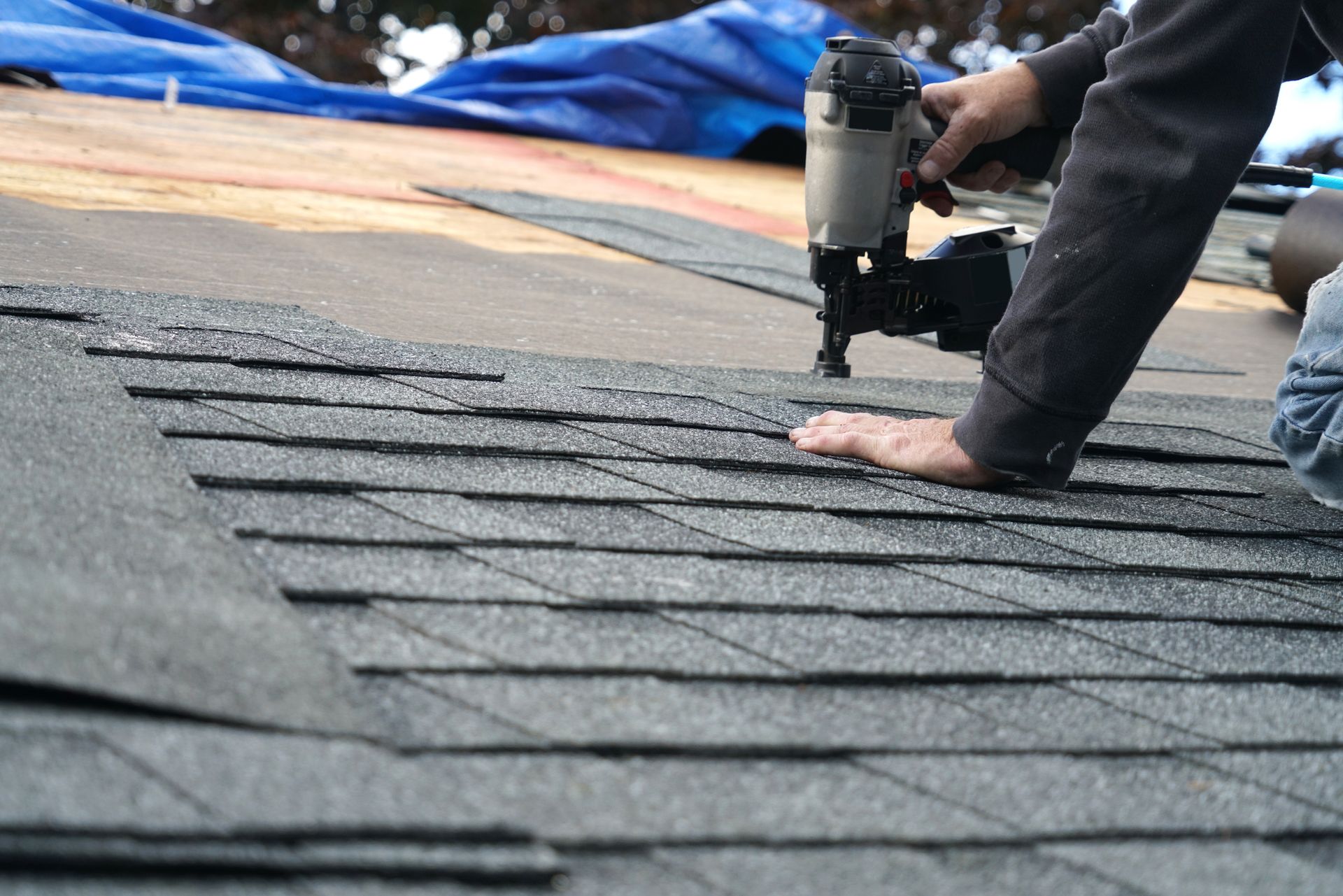
Homes, townhomes and multifamily properties in Seattle with flat or low-slope roof sections often perform without issue during the drier months. Problems are more likely to surface during the long, wet season.
Homeowners are often more familiar with traditional pitched-roof materials because those are the systems they can easily see and are most likely to replace as they age or sustain damage. Flat or low-slope roofing systems, by contrast, can feel less straightforward.
At Chet’s Roofing & Construction Inc., we believe in explaining roofing systems clearly and honestly.
The Two Most Common Low-Slope Systems
Torch-Down (Modified Bitumen)
Torch-down roofing, also called modified bitumen, is an asphalt-based system applied in rolled sheets. The seams are heat-welded together using an open-flame torch, creating a continuous membrane across the roof surface.
Torch-down is still arguably the default residential low-slope system in many Seattle neighborhoods.
TPO and PVC (Single-Ply Membranes)
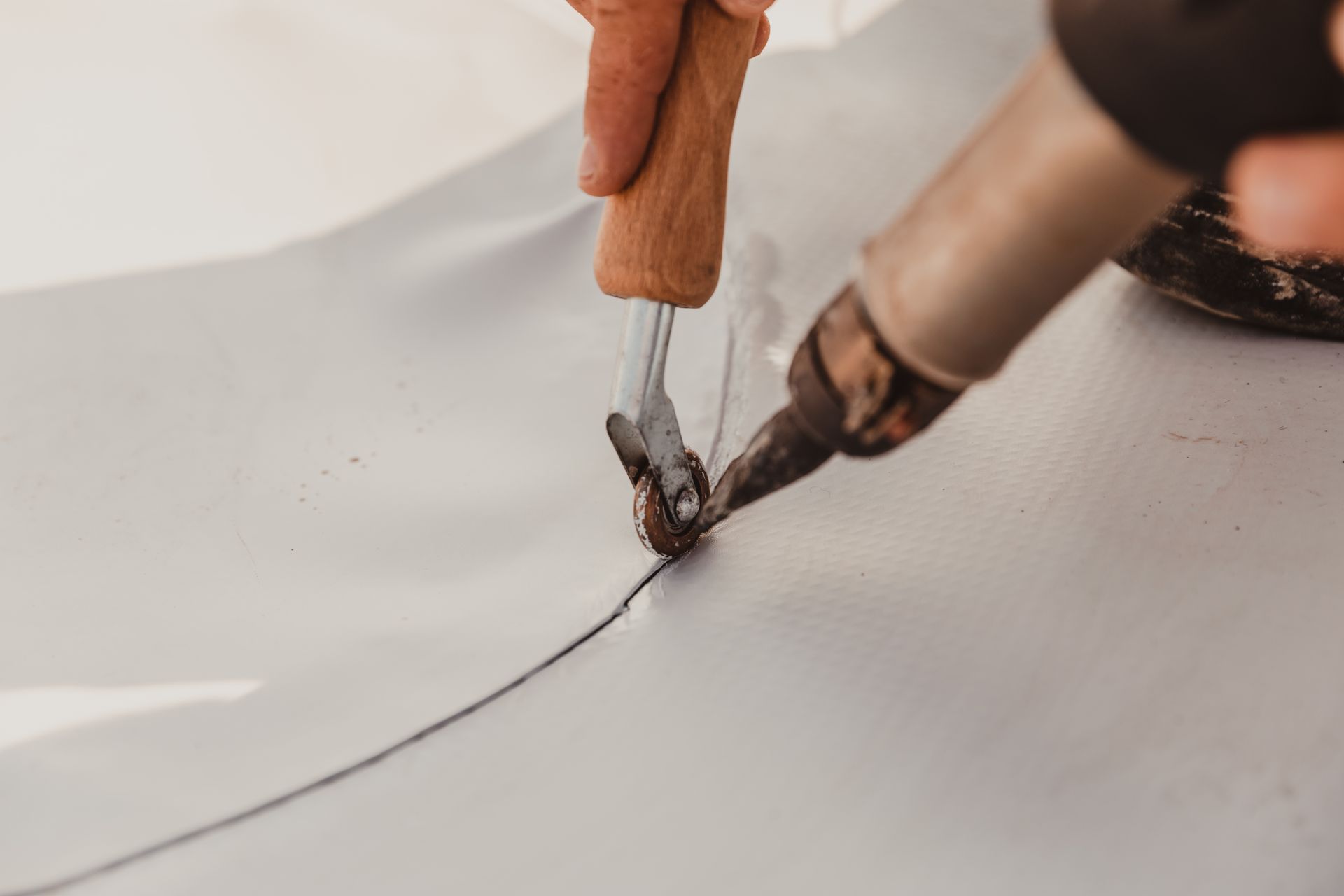
TPO (thermoplastic polyolefin) and PVC (polyvinyl chloride) are single-ply membrane systems. Instead of being torched, seams are heat-welded using specialized hot-air equipment.
For small carports or older detached structures, TPO/PVC is less common than modified bitumen, mainly due to cost and contractor familiarity, it is sometimes used in residential settings, especially where aesthetics or reflectivity matter.
How Torch-Down, TPO and PVC Handle Ponding Water
What Is “Acceptable Ponding”?
Most building codes define acceptable ponding as water that remains on a flat roof for up to 48 hours after rainfall and then drains or evaporates. If water consistently remains longer than that, it may indicate improper slope or drainage issues.
No roofing system is designed to function as a permanent pond. The goal is to shed water effectively.
Torch-Down and Ponding
Torch-down systems are thick and durable. They can tolerate intermittent ponding better than many people expect. However, prolonged standing water accelerates aging of asphalt-based materials. Over time, constant ponding can cause:
- Surface deterioration
- Blistering
- Seam stress
In cold weather, repeated saturation and drying cycles can shorten lifespan if drainage is not corrected.
TPO/PVC and Ponding
Single-ply membranes are generally more resistant to long-term ponding than asphalt-based systems. PVC, in particular, performs well under standing water conditions when properly installed.
However, ponding still puts stress on seams and penetrations. If drainage is poor, even a high-quality membrane will eventually show wear.
The system is only as good as the slope and the installer’s attention to detail.
Seams Are the Most Critical Factor
In Seattle’s rainy climate, seams matter more than almost anything else.
Torch-Down Seams
Torch-down seams are fused together with heat, creating a layered bond. When installed correctly, they form a watertight barrier.
The risk comes from improper torching or aging over time. If seams were not fully adhered during installation, moisture can migrate underneath the membrane.
Repairs typically involve reheating and patching affected areas.
TPO/PVC Seams
TPO and PVC seams are heat-welded with precision equipment. When done properly, the seam can be stronger than the membrane itself.
In cold or wet months, installation conditions are critical. Surfaces must be dry for proper welding. A rushed job during rainy weather can compromise seam strength.
When professionally installed under the right conditions, single-ply seams are extremely reliable.
Penetrations and Flashing
Torch-Down Flashing
Modified bitumen systems use layered flashing techniques that wrap penetrations in multiple plies. This creates redundancy, which is beneficial in wet climates like the Puget Sound region.
However, more layers mean more opportunities for improper detailing if installation is rushed.
TPO/PVC Flashing
Single-ply systems use prefabricated boots and custom-welded flashing details. When executed correctly, these flashings are clean and highly watertight.
The key is proper heat welding and secure attachment. Inexperienced installers can create weak points around curbs and penetrations.
Which Is Better for Seattle?
Both systems can perform well when:
- Proper slope and drainage are designed into the roof
- Seams are correctly installed
- Penetrations are carefully flashed
- Routine inspections are performed
For HOA boards and homeowners, the real question is not just material type but installation quality and long-term maintenance planning.
Get Dependable Flat and Low-Slope Roof Inspections and Repair Services
Chet’s Roofing & Construction Inc. provides honest assessments, clear explanations and high-quality installation and repair for both torch-down and single-ply systems.
If you are evaluating a flat roof replacement or dealing with wet-season performance issues, call Chet’s Roofing at (877) 611-1514 to schedule an inspection today.