
Micro-Lifted Shingles and Nail Backout Aren’t Only Caused by Severe Storms
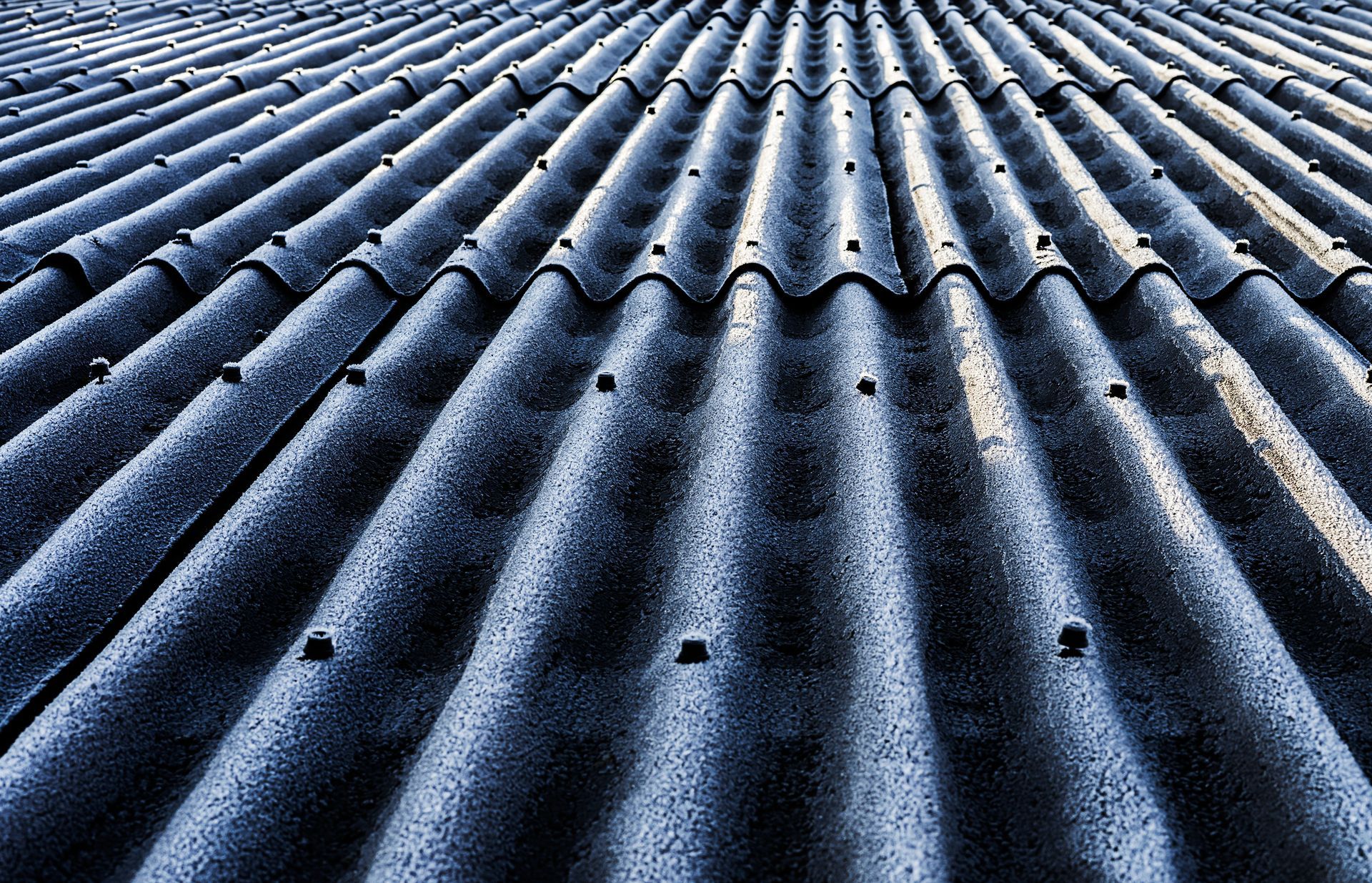
Many Seattle homeowners are surprised when a roof leak appears after a storm that did not seem severe. There were no missing shingles in the yard, no obvious damage from the street and no emergency alerts. Yet the next heavy rain reveals water stains on the ceiling or damp insulation in the attic.
This pattern is common in the Seattle area and often traces back to what can be called invisible storm damage. Gusty nighttime winds can cause subtle shingle movement that breaks seals or loosens fasteners without leaving obvious visual clues. The damage is small, but the consequences show up later.
Wind Does Not Have to Be Extreme to Cause Damage
Seattle storms are often defined by sustained wind and repeated gusts rather than dramatic peak events. These gusts can be strong enough to momentarily lift shingle tabs without tearing them off.
When shingles lift even slightly, two things can happen:
- The adhesive seal strip that bonds one shingle to the next can break
- Nails can begin to back out of the decking due to repeated movement
Neither of these issues typically causes immediate leaks. Instead, they weaken the roof’s ability to shed water properly.
How Shingle Seal Strips Are Affected
Most asphalt shingles rely on a factory-applied seal strip to hold the tabs in place. Heat from the sun activates this strip, bonding shingles together into a continuous surface.
During cool or windy conditions, especially at night, seal strips are more vulnerable. If a gust lifts the shingle tab, the seal can separate. Once broken, it does not automatically reseal, even when conditions improve.
A broken seal allows future wind to lift the shingle more easily, increasing stress on fasteners and creating pathways for water during heavy rain.
Nail Backout Happens Gradually
Nail backout is another common result of repeated wind movement. As shingles lift and settle repeatedly, nails experience small but persistent forces. Over time, this movement can cause nails to:
- Loosen their grip in the decking
- Rise slightly above the shingle surface
- Create pressure points under the shingle
These nails may only back out a fraction of an inch, which is not visible from the ground. However, even minimal movement can prevent shingles from lying flat, disrupting optimal drainage.
Why Leaks Appear After the Storm Has Passed
Micro-lifted shingles and backed-out nails rarely cause immediate leaks. Instead, they create weak points that become problematic during the next prolonged rain. Once water flows over these areas:
- It can be pushed under loosened shingle tabs
- It may follow nail shafts into the decking
- It can pool where shingles no longer lie flat
This is why homeowners often say, “Nothing even happened,” yet the leak shows up days later during steady rainfall rather than during the windy night itself.
Proper Fastening Patterns During Installation Are Key to Prevent Nail Backout and Micro-Lift
Correct nail placement and depth are critical to shingle performance. Nails placed too high, driven at an angle or not fully seated are more vulnerable to movement.
When wind causes shingles to lift, improperly placed fasteners are the first to loosen. Over time, this can lead to clusters of nail backout in specific roof sections, often near edges, ridges or areas with higher wind exposure.
These fastening vulnerabilities often originate during installation but only reveal themselves after repeated wind events.
Why Spot Repairs, Not a Full Roof Replacement, Are Often the Right Solution
Invisible storm damage does not usually require full roof replacement. In many cases, targeted repairs of the affected areas are enough to restore roof performance. Professional evaluation can identify:
- Specific shingles with broken seals
- Areas where nails have backed out
- Sections that need resecuring or resealing
Addressing these issues early prevents small weaknesses from turning into widespread leaks or shingle loss.
Why DIY Fixes Often Fall Short
Homeowners may be tempted to apply sealant or press shingles back into place on their own. Without addressing the underlying fastener movement or seal failure, these fixes are temporary at best. Improper repairs can also:
- Trap moisture under shingles
- Damage shingle surfaces
- Void manufacturer warranties
Professional roof repairs ensure that the roof system functions as intended rather than masking symptoms.
Work With Seattle Roofs Who Excel at Identifying the Root Cause of Roof Leaks
Chet’s Roofing & Construction provides professional roof inspections and targeted repairs designed to address subtle wind-related damage before it leads to major leaks. And we won’t recommend a full tear-off and roof replacement unless we truly believe that’s the best solution.
Contact us at (877) 611-1514 and protect your roof from Seattle’s unpredictable weather.