
How Blocked Soffit Vents Quietly Shorten Roof Life in the Pacific Northwest
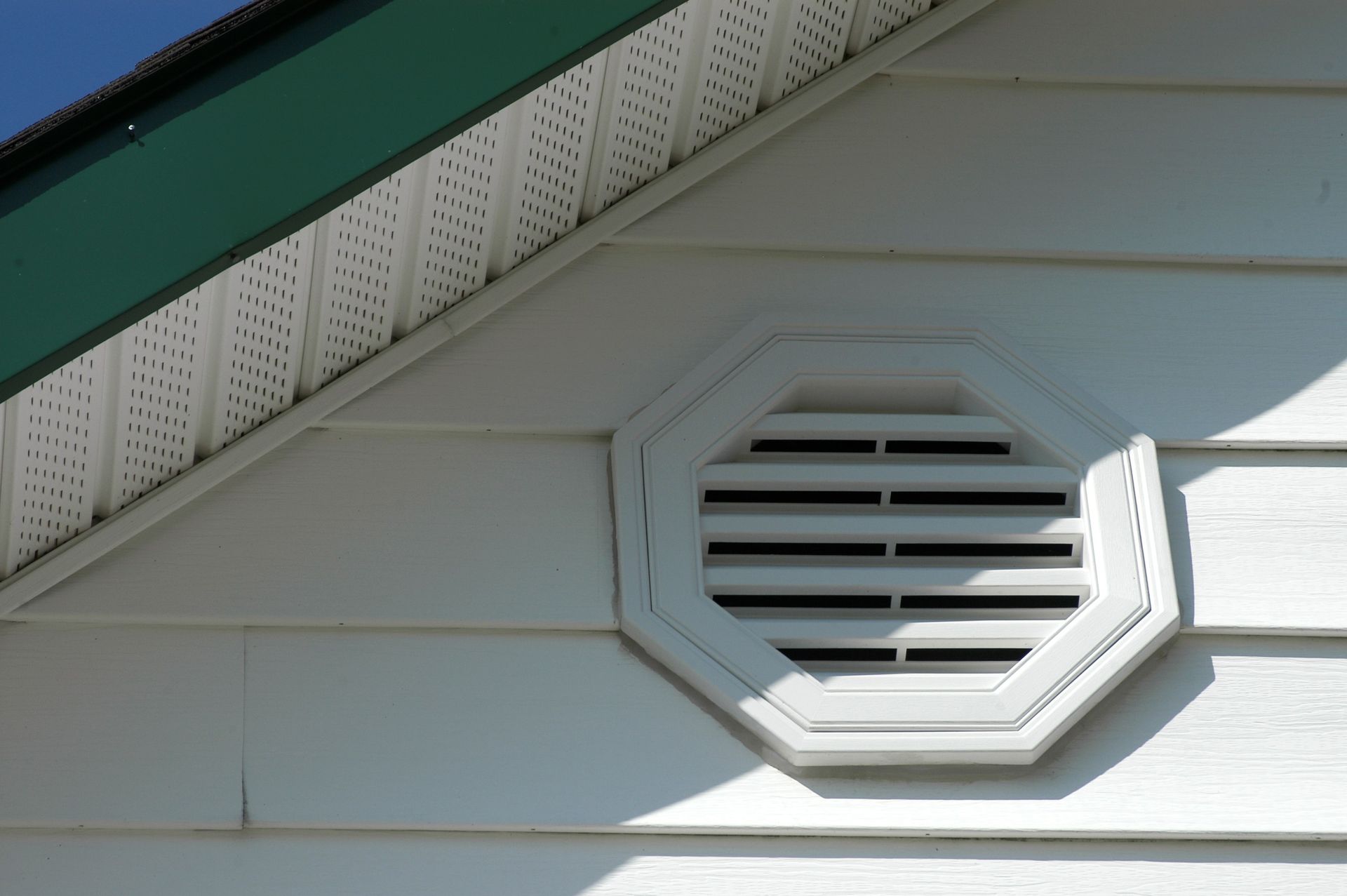
When homeowners think about attic ventilation problems, they usually imagine exterior-mounted box vents, turbine vents and ridge vents that interrupt their roofline. Soffit vents are often overlooked because they’re virtually invisible unless you’re standing directly below them.
Although they are not exposed to a lot of wind- or rain-driven debris, these vents can still become blocked. The lack of easy visibility also means that when soffit vents do get obstructed, the issue is rarely corrected.
Why Intake Ventilation Matters for Attic Temperature Control
Soffit vents are designed to bring fresh air into the attic at the lowest point of the roof system. That intake air feeds the upward movement that allows warm, moisture-laden air to exit through higher vents.
When soffits are blocked, airflow slows or stops. The attic becomes stagnant, and the roof system is forced to operate under constant stress. Materials experience wider temperature swings, moisture lingers longer and aging accelerates.
In the Puget Sound region, where conditions are almost perpetually damp, this imbalance can quietly reduce roof longevity even when there are no active leaks.
How Soffit Blockages Actually Happen
Most soffit ventilation problems do not start outside. They start from inside the attic or during insulation installation, construction and roofing projects. Common causes include:
- Insulation drift, where loose-fill or batt insulation slides into the soffit area over time
- Missing or poorly installed baffles, allowing insulation to press directly against the roof deck
- Packed soffits, where insulation was installed too tightly during original construction
- Although less common, vibration from roof work or deck replacement in homes without properly installed baffles can cause insulation drift that blocks soffit vents
- In some cases, insect nests or debris can accumulate behind vent covers, and damaged or poorly screened vents.
Because these issues are hidden from view, they often go unnoticed for years.
Insulation Drift Is a Frequent Culprit
In many Seattle homes, insulation is added or topped off to improve energy efficiency. Without proper baffles in place, insulation can slowly migrate toward the eaves.
Once insulation reaches the soffit area, it blocks intake airflow completely. Unfortunately, this issue is virtually invisible from the outside of your home.
Missing or Inadequate Baffles Create Silent Failures
Baffles are critical components that maintain a clear air channel between the soffit vents and the attic space. They keep insulation away from the roof deck and preserve airflow. When baffles are missing, crushed or improperly installed:
- Intake air cannot move freely
- Insulation presses against the roof sheathing
- Moisture has fewer paths to dissipate
Many older homes lack proper baffles entirely, while some newer homes have baffles that stop short or shift out of position over time.
Why Attic Ventilation Intake Problems Shorten Roof Life
Restricted intake affects the roof system in several ways:
- Heat and moisture linger longer in the attic
- Roofing materials experience greater expansion and contraction
- Fasteners and decking endure increased stress
- Shingles age prematurely due to uneven conditions
Safe Photos Homeowners Can Take
Homeowners do not need to climb on the roof to provide helpful information. From inside the attic, photos taken safely from the access point can reveal a lot. Useful photos include:
- The area where insulation meets the eaves
- Any visible soffit vent openings from the attic side
- Baffles, if present, showing whether they are clear or compressed
Photos should be taken without stepping on ceiling drywall or disturbing insulation. These images help roofers identify intake issues before scheduling more invasive inspections.
Intake Problems Often Go Unaddressed During Reroofing
During reroofing projects, attention is typically focused on the exterior. Shingles, underlayment and flashing are replaced, but intake pathways may be overlooked.
If soffit blockages existed before reroofing, they often remain afterward. In some cases, reroofing work unintentionally worsens the problem by altering airflow dynamics without correcting intake restrictions.
Why Balance Matters More Than Components
A roof can have ridge vents, box vents or other exhaust systems installed correctly and still fail prematurely if intake is restricted. Ventilation works as a system, not as individual parts.
Restoring intake airflow often reduces stress across the entire roof assembly and helps materials perform as intended over time.
When Professional Evaluation Makes Sense
If a roof shows signs of premature aging, uneven wear or recurring moisture concerns without clear cause, attic intake should be evaluated. While less visible, intake issues can also influence indoor comfort by reducing insulation effectiveness and increasing temperature unevenness over time.
Because soffit intake is often overlooked, homeowners may want to take an initial look themselves by photographing the eave area from the attic access point. A roofer can often review those images and advise whether a more detailed inspection makes sense.
Get Professional Advice on Your Roof Ventilation
Chet’s Roofing & Construction provides professional roof ventilation evaluations that identify hidden intake issues and ventilation imbalances. Contact us at (877) 611-1514 to schedule an inspection.