Why Treating Roof Growth in January Prevents Spring Repairs
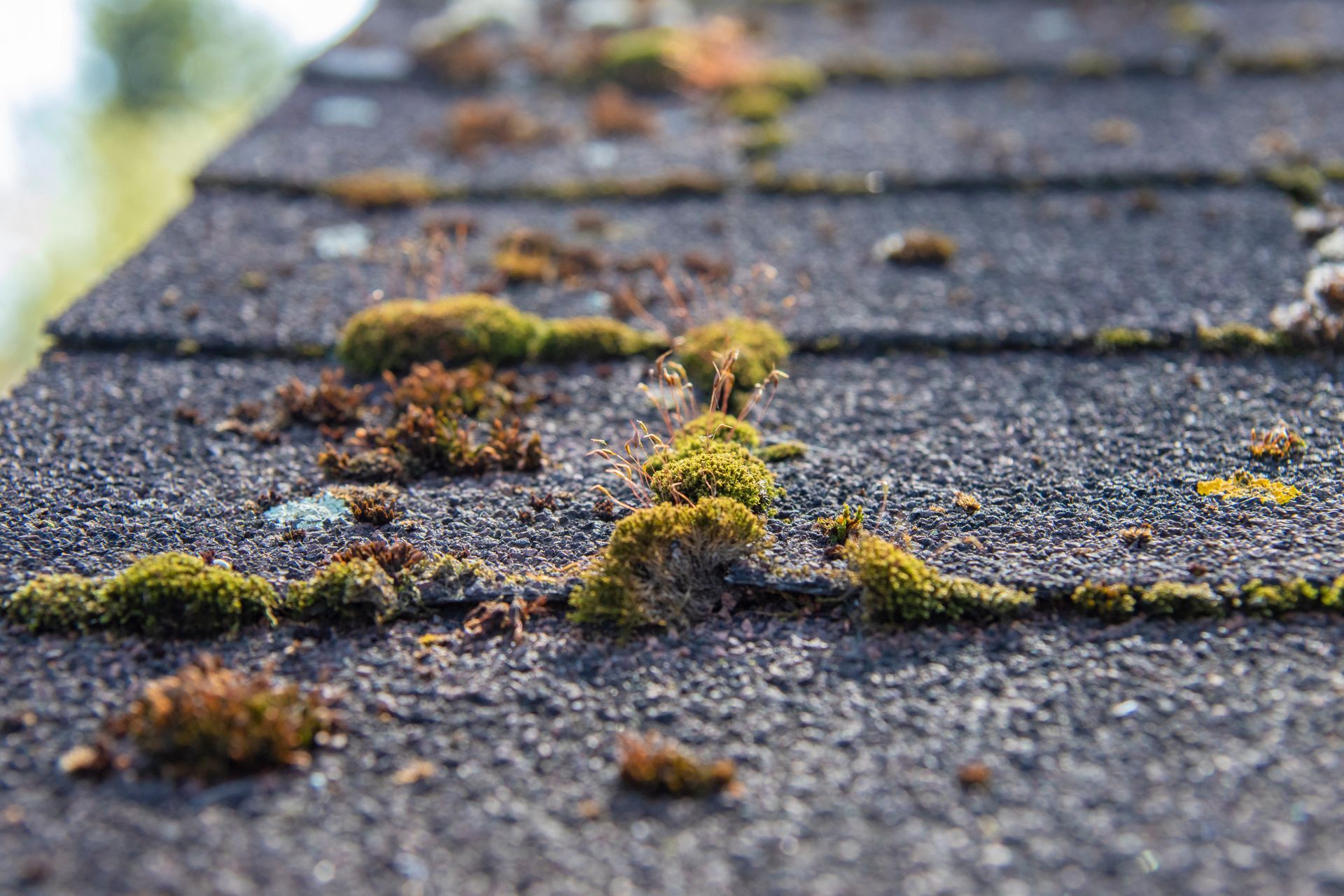
In the Puget Sound area, winter doesn’t bring the deep freezes that naturally slow roof growth in colder climates. Instead, January often delivers mild temperatures, frequent rain and extended cloud cover, conditions that allow moss and algae to remain active on many roofs throughout the winter months.
That’s why early-season roof growth treatment can play a meaningful role in reducing spring roof maintenance needs.
Why Roof Growth Stays Active During Seattle Winters
In regions with prolonged hard freezes or dry winters, moss often becomes dormant for months at a time. Western Washington’s climate behaves differently. Winter temperatures frequently stay above freezing, rainfall remains consistent and there’s limited direct sunlight to dry roof surfaces.
Those conditions allow moss and algae to continue holding moisture against roofing materials even in January. Growth may slow compared to warmer months, but it doesn’t stop entirely. That ongoing moisture retention is what makes winter treatment worth considering for roofs that already show visible growth.
It’s important to note that this doesn’t mean every roof needs winter service. Roofs without active moss or algae generally don’t require January treatment. The benefits are most relevant for homes where growth is already established.
What January Treatment Actually Does and Doesn’t Do
January roof treatment is not a cure-all, and it’s not a substitute for roof repairs. Its purpose is growth control and moisture management. When moss and algae are treated early in the year, you can:
- Slow further growth during a wet season
- Reduce the amount of moisture held against shingles
- Limit the spread of growth into adjacent roof areas
- Make spring cleaning and maintenance less intensive
What it does not do is instantly remove all moss or guarantee that no future maintenance will be needed. Growth often breaks down gradually over time, especially during rainy months. That’s normal and expected.
How Moisture Retention Affects Roof Wear Over Time
Moss itself isn’t aggressive in the way storm damage or impact damage is. The concern lies in how long it keeps roofing materials damp.
When shingles stay wet for extended periods, normal drying cycles are interrupted. Over time, that constant moisture can:
- Shorten shingle lifespan
- Increase granule loss
- Make flashing and seams more vulnerable to wear
- Create conditions that encourage additional growth
Treating roof growth early helps reduce those effects by limiting how much moisture stays trapped on the roof surface during the wettest months of the year.
Why Spring Repairs Often Start with Winter Growth
Many spring roof service calls begin with moss-related issues that didn’t appear suddenly. They developed gradually over winter and became more noticeable once temperatures warmed and growth accelerated.
By addressing moss and algae earlier, before spring rain and warmer temperatures encourage faster growth, homeowners can often reduce the scope of spring maintenance. In some cases, early treatment helps avoid more aggressive cleaning methods later, which can be harder on roofing materials.
When January Treatment Makes the Most Sense
January roof growth treatment is most beneficial when:
- Moss or algae are already visible
- The roof stays shaded for much of the day
- The home is surrounded by trees or dense vegetation
- Previous spring cleanings have been extensive
In these cases, early treatment acts as a head start rather than a reaction. It helps manage growth before the most active season arrives.
For roofs without visible growth, routine inspections and spring maintenance may be all that’s needed.
Learn More About Preventive Roof Care in Seattle & Puget Sound, WA
If your roof already shows signs of moss or algae, early-season treatment may help reduce spring maintenance and extend the life of your roofing system.
Contact our roofers at Chet’s Roofing & Construction by calling (877) 611-1514. We can perform an inspection of your roof and explain whether treatment makes sense for your home.